
Puebla, the city that won a war and invented mole
On May 5, 1862, a poorly equipped Mexican army repelled the French military, which was widely considered the most powerful in the world at the time. This improbable victory took place right here on the hills of Puebla. Today, Mexico's fourth-largest city proudly honors that memory while preserving a UNESCO-listed baroque historic center.
Beyond its military history, Puebla earns its spot on your itinerary for its kitchens. Mole poblano, a rich, complex sauce blending cocoa, chili peppers, and dozens of spices, was born in the kitchens of a local convent during the 17th century.
Is Puebla right for every traveler?
Puebla appeals to lovers of colonial architecture, Mexican gastronomy, and history. The city features over 2,000 historic buildings and roughly 365 churches. Travelers looking for wild nightlife or beach resorts will be disappointed. Tourism here remains largely domestic, which keeps the local atmosphere authentic and distinct from the country's major tourist hubs.
Travelers in a hurry often visit Puebla as a day trip from Mexico City. That is a mistake. The density of museums, churches, and top-tier restaurants justifies at least two nights on the ground. The centro histórico is entirely walkable.
A conservative yet welcoming city
Puebla maintains a reputation as a religious and traditional city. You will encounter fewer partiers than in Oaxaca, but you will find a welcoming population and prices significantly lower than in the capital. Do not expect widespread English proficiency, so keep a translation app handy.
Is it dangerous to travel to Puebla?
Puebla is considered relatively safe compared to other large Mexican metropolises. The centro histórico benefits from a constant police presence and high foot traffic. Standard travel precautions apply: avoid isolated streets at night, keep an eye on your belongings, and stick to official taxis or Uber.
A modest budget for Mexico
Budget roughly $34 to $57* per day for a comfortable trip. Expect to pay $17 to $29* for a decent double room and $5.70 to $12* for three hearty meals. Admission to sites usually ranges between 30 and 95 MXN, and many are free on Sundays.
The historic center and its baroque treasures
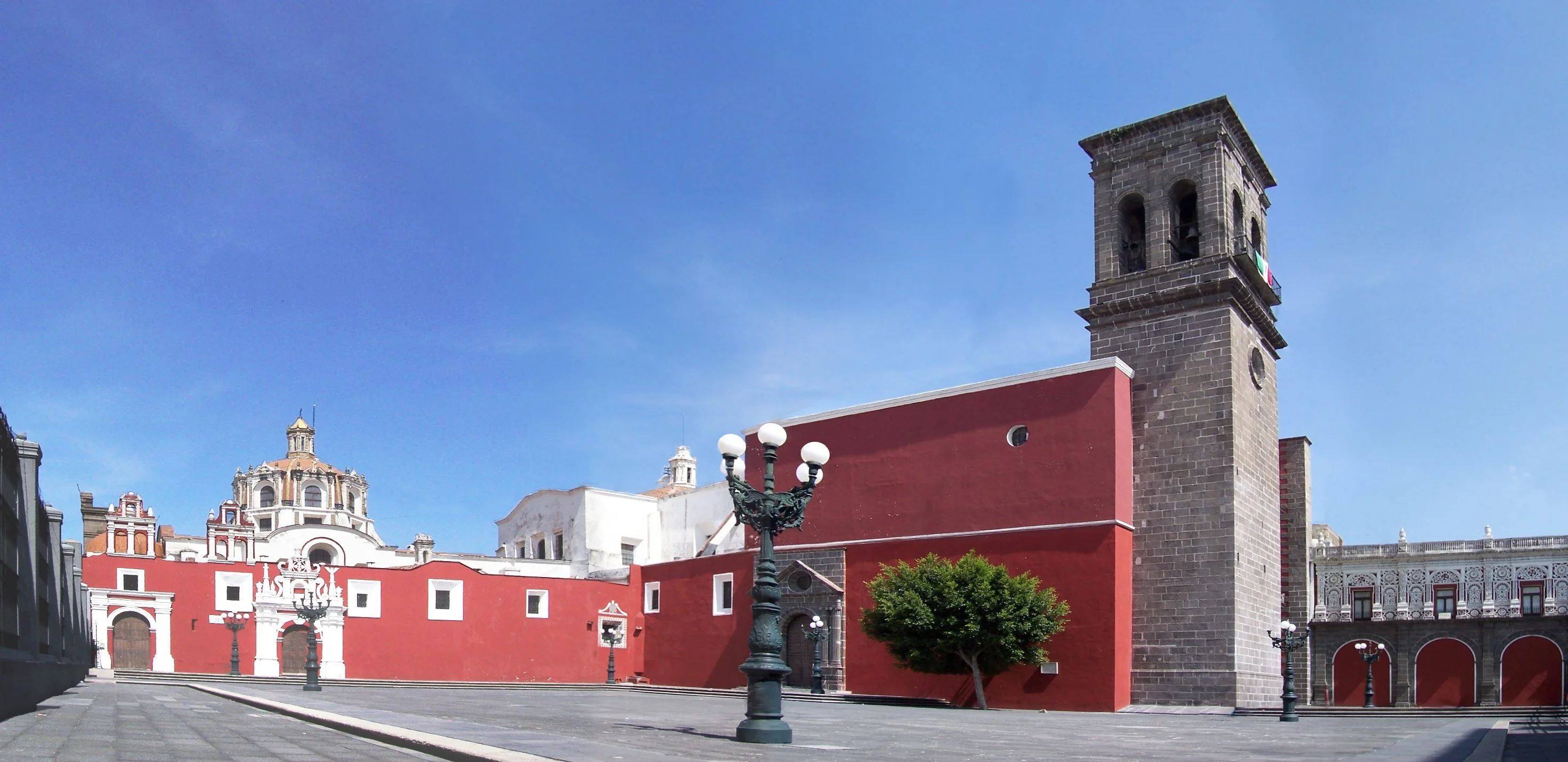
The Zócalo, a vast, shaded square, is the natural starting point. The cathedral boasts the tallest towers of any church in Mexico. Its austere interior contrasts sharply with the exuberance of the Capilla del Rosario, tucked inside the Santo Domingo church. This 17th-century chapel, entirely covered in gold leaf, was once dubbed the eighth wonder of the world.
The Biblioteca Palafoxiana, founded in 1646, houses over 45,000 volumes and is considered the first public library in the Americas. The Museo Amparo is a standout for its pre-Hispanic and contemporary collections. Its terrace offers an incredible view of the city's bell towers. Admission is free on Sundays.
Friendly tip: The underground tunnels of Puebla, long considered a local legend, are now open to the public. You can tour these 10-kilometer passages for about 30 MXN.
Neighborhoods to explore on foot
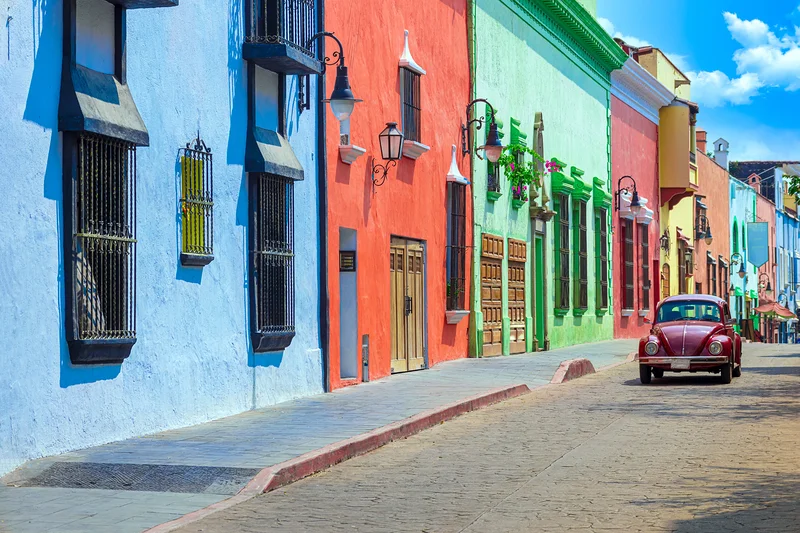
The Callejón de los Sapos gets its name from the frogs that once invaded this street during floods. Its colorful houses and antique shops make it the most photographed spot in Puebla. The Barrio del Artista, near the El Parián market, hosts fine arts students. It is a great place to find affordable souvenirs, especially the UNESCO-recognized talavera ceramics.
Cholula and the world's largest pyramid
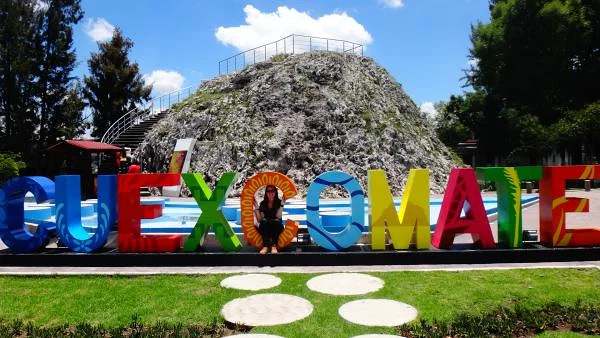
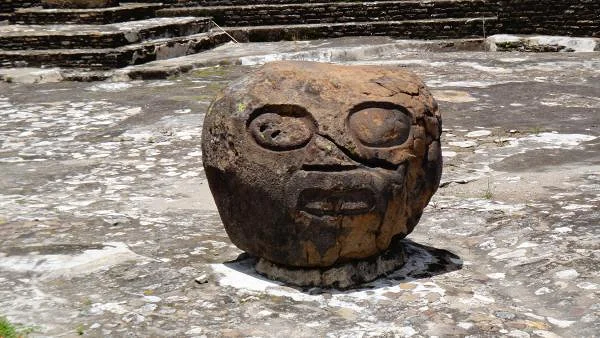
Ten kilometers from Puebla, Cholula hides a monumental secret. What looks like a hill topped by a church is actually the Great Pyramid of Cholula, the largest ever built with a base measuring 400 meters on each side. Tunnels allow you to explore the interior of this structure, which is composed of seven superimposed pyramids. On a clear day, the view from the courtyard encompasses the Popocatépetl and Iztaccíhuatl volcanoes.
Where to eat and drink in Puebla?
Mole poblano is traditionally served with chicken. Chiles en nogada, available from July to September, feature stuffed peppers topped with a creamy walnut sauce in the colors of the Mexican flag. Cemitas, generous sandwiches on brioche-style rolls, are available everywhere. The tacos árabes, a Lebanese-influenced ancestor to the taco al pastor, are a must-try at Tacos Árabes Bagdad. For classic poblano dishes in an upscale setting, head to Casareyna or El Mural del Poblano.
How to get to and around Puebla?
From Mexico City, ADO buses depart every hour. The trip takes 2 to 2.5 hours and costs 200-400 MXN. By car, allow 1.75 hours via the toll highway. Inside the city, the center is best explored on foot, and Uber functions perfectly. To reach Cholula, a local bus costs 6 MXN. Travelers from North America land in Mexico City and take the bus from there.
When to go?
The dry season, from November to April, offers the best conditions with temperatures around 68-77°F (20-25°C) during the day. The rainy season brings daily showers from June to September. Cinco de Mayo transforms the city with battle reenactments and festive local celebrations.
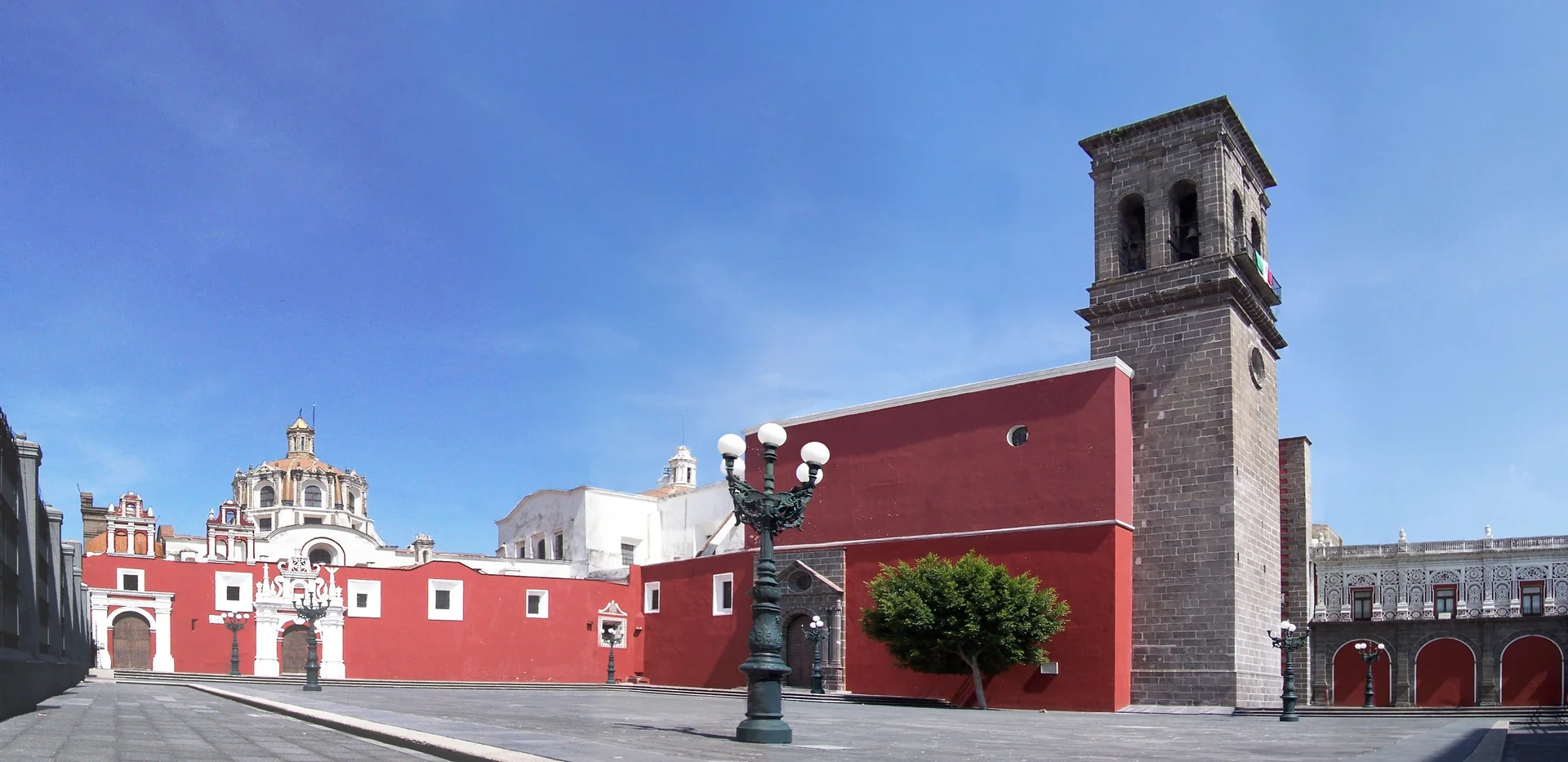
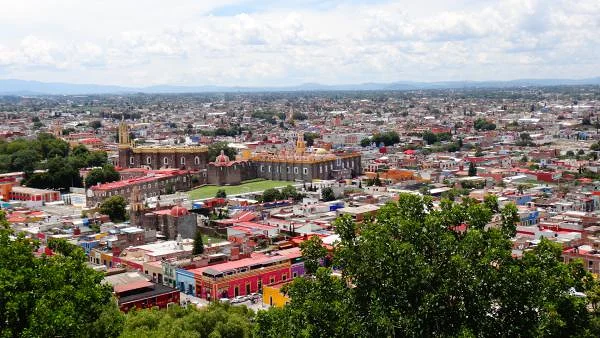
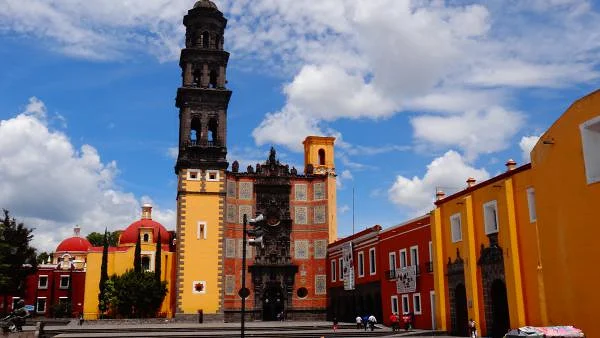
The center of Puebla, a UNESCO World Heritage site, is very pleasant to visit. There are pedestrian streets and squares like the Zocalo (partially), and beautiful religious buildings like the cathedral or even the Santo Domingo church (thanks to Celine for the tip).
The colonial architecture is pretty well preserved, and the "azulejos" on some buildings remind me a bit of Lisbon. From certain spots, you will have an impressive view of the Popocatepetl (still active!) and Iztaccihuatl volcanoes.