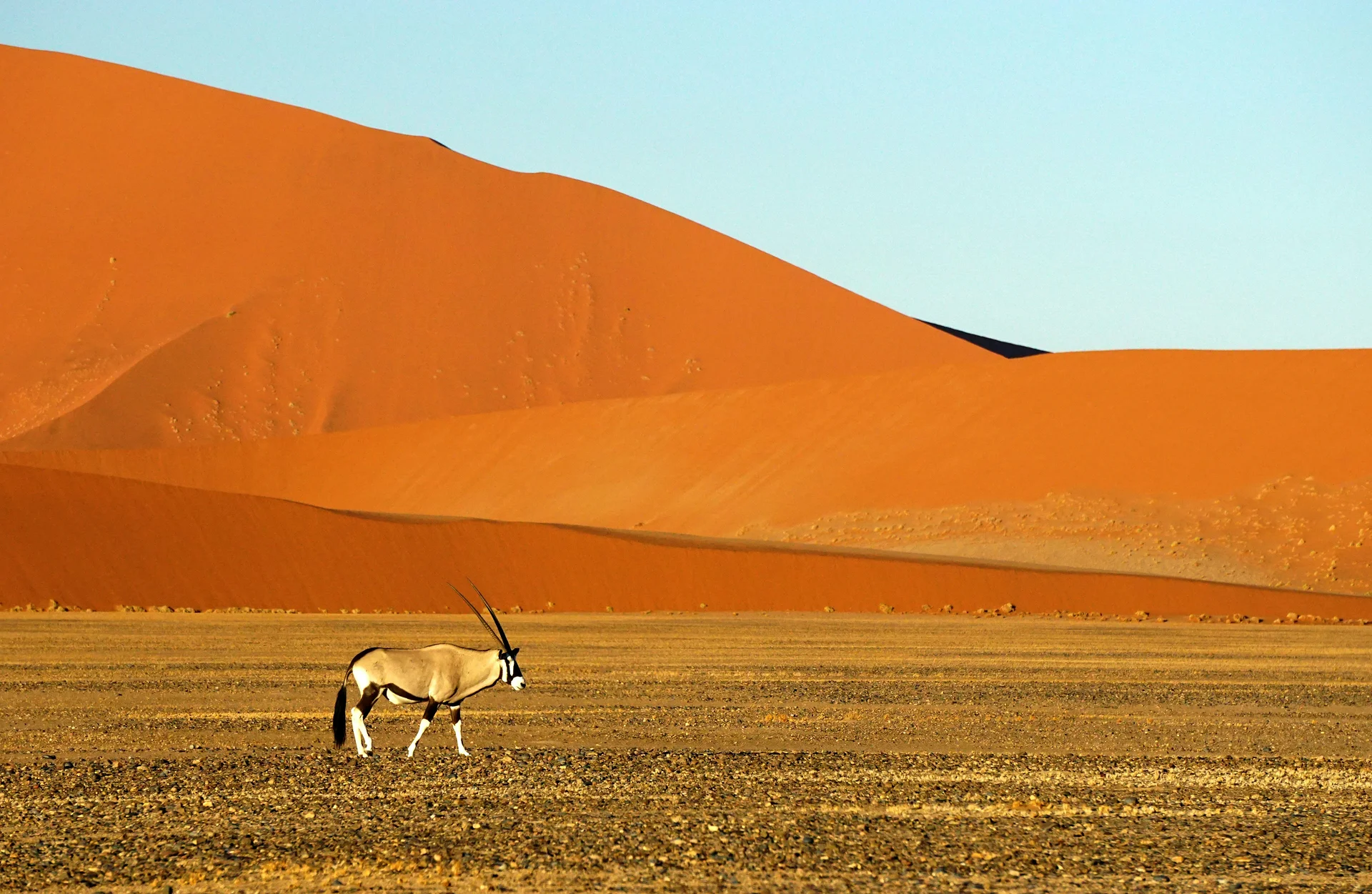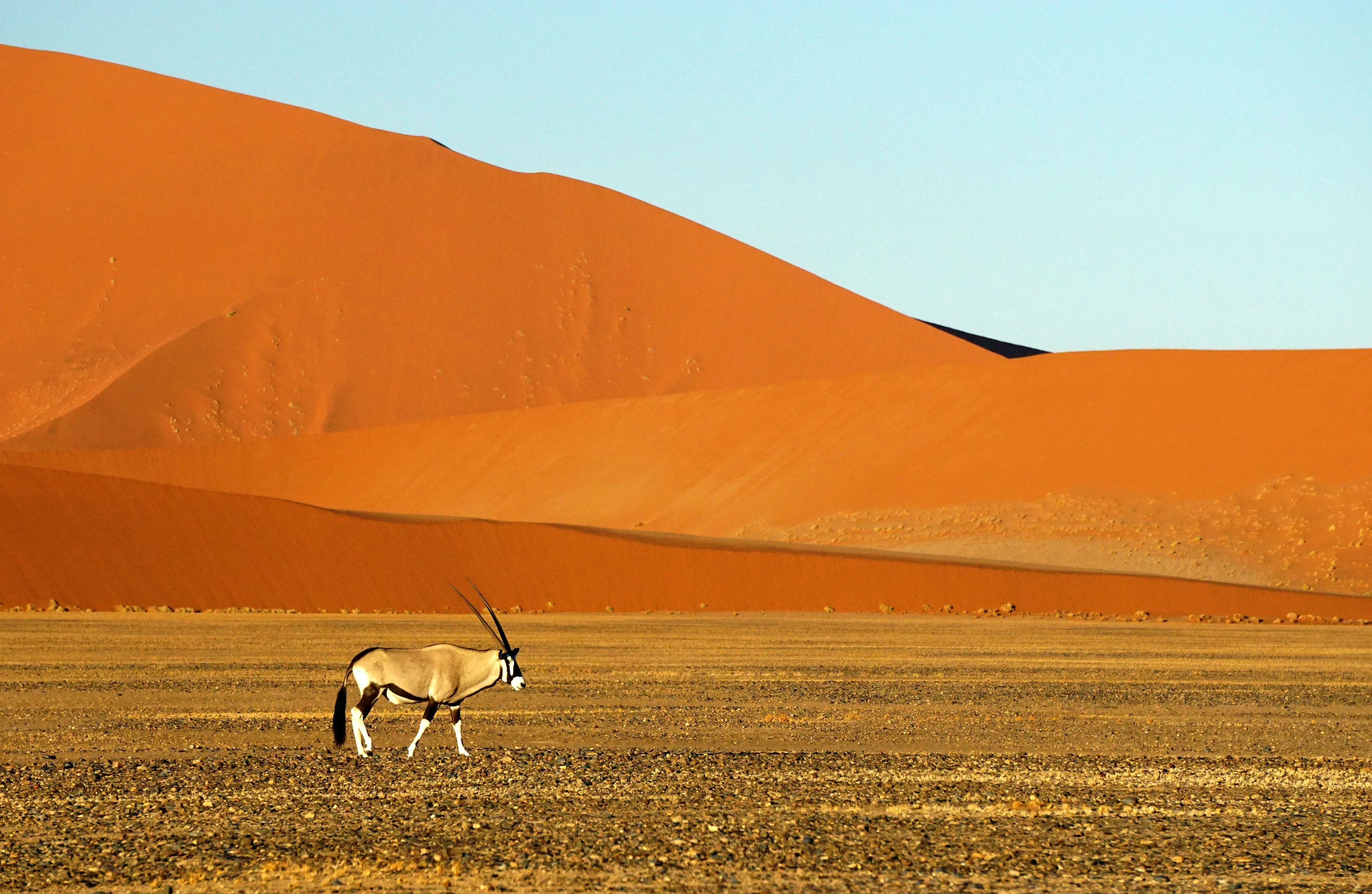
Visiting Sesriem: In the Heart of Namibia's Glowing Dunes
Imagine a silence so deep it resonates, broken only by the sound of wind shifting across mountains of sand. In Sesriem, Namibia, you are not looking at a postcard, but a raw, physical reality. Far from any urban bustle, this gateway to the Namib Desert offers a travel experience where time stretches out, and every sunrise or sunset demands your full attention.
Is Sesriem for you?
If your soul craves wide-open spaces and the idea of being surrounded by untamed nature excites you, Sesriem is likely your kind of place. It is a magnet for photographers, adventurers seeking lunar landscapes, and travelers looking to disconnect from the noise of daily life. You will find yourself fully immersed in the Namib Desert and its iconic dunes.
However, if you are looking for city energy, late-night bars, or a wide selection of dining, you will likely be disappointed. The area is isolated, amenities are sparse, and your schedule will be dictated entirely by the sun and the desert environment.
A sturdy vehicle, preferably a 4x4, is essential, and costs for lodging and excursions can add up quickly.
The Call of the Dunes: Sossusvlei and Deadvlei
Your exploration will inevitably center on Sossusvlei, a white clay pan surrounded by towering dunes. This is where the desert displays its most intense colors, particularly at dawn and dusk. Hike up the famous Big Daddy dune for a high-altitude view, or tackle Dune 45, which is more accessible.
Just a short distance from Sossusvlei is Deadvlei, a surreal scene of ancient dead trees preserved on a dry lake bed, creating a stark contrast against the deep orange sand. It is a prime spot for photography with a near-mystical atmosphere. Bring plenty of water, as trekking through deep sand is more taxing than it looks.
Local tip: To beat the heat and the crowds, get up before dawn. Being at the park gates when they open is the best way to watch the sun ignite the dunes in peace, before the midday temperatures climb.
Sesriem Canyon: A Fissure in Time
Less famous than the massive dunes, Sesriem Canyon is a geological marvel worth a detour. It is a narrow gorge carved by the Tsauchab River over thousands of years. Hike down into the canyon for a cooler walk and look for the natural pools that form after rain, which serve as a quiet desert oasis.
Local tip: Wear sturdy hiking shoes, as the ground inside the canyon is uneven. Keep your eyes peeled for wildlife, including birds and the occasional springbok, coming down to find water.
Panoramic Views from Elim Dune
Located right near the park entrance, Elim Dune is the perfect spot for a sunset view if you prefer not to venture deep into the park. Its colors shift from ochre to deep red, providing a backdrop of desert plains and distant mountains. It is a great alternative if you arrive too late for the interior dunes or simply want a quieter experience.
Local tip: Bring a cold drink and settle in for the show. The light here is exceptional for photos, and it is very easy to reach from the Sesriem campsite.
Where to Eat and Drink in Sesriem?
Dining options are limited and primarily found within the lodges and campsites. Expect simple, hearty fare, often served buffet-style. You will find traditional Namibian dishes, including grilled game meat like kudu or oryx, served with vegetables, rice, or pasta. The local beer, such as Windhoek Lager, is a go-to for cooling off after a long day in the heat.
Local tip: If you are staying in the park, the restaurant at Sossus Dune Lodge offers an incredible view of the desert. Reservations are essential, especially during the high season.
Where to Stay in and Around Sesriem?
Choosing your accommodation in Sesriem is a strategic decision because your location dictates which gate you use to access the park. The Sesriem campsite, managed by NWR, is located inside the main gate and offers bungalows or camping spots. It is the only place that grants you access to the dunes an hour before sunrise and an hour after sunset, a significant advantage for photographers.
Outside the park, you will find boutique lodges that offer more comfort, such as the Desert Quiver Camp or Sossusvlei Lodge. They are located further from the dunes but feature amenities like swimming pools and full-service restaurants. Check the exact distance and travel time if you plan on doing multiple early morning desert runs.
Getting There and Getting Around
You absolutely need a car to reach Sesriem. Most travelers rent a vehicle in Windhoek, the capital. While a 4x4 is not strictly required to reach the Sesriem entry or the 2x4 parking area at Sossusvlei, it is highly recommended. If you want to drive the final sandy kilometers to Sossusvlei and Deadvlei yourself, a 4x4 is necessary, as the shuttle service can be inconsistent or expensive.
The roads leading to Sesriem are mostly gravel, so take your time and drive defensively. Once you are there, your car is your only way to get between sites, and distances inside the park can be surprisingly long.
When to Go?
The best time to visit Sesriem is during the dry season, from May to October. Temperatures are more manageable, rain is essentially non-existent, and visibility is at its peak. July and August are the most popular months, though they are also the coolest. The rainy season, from November to April, can bring dramatic thunderstorms that temporarily transform the landscape, but the heat can be extreme and some roads may become impassable.