
What to know about the Baie de Somme Nature Reserve
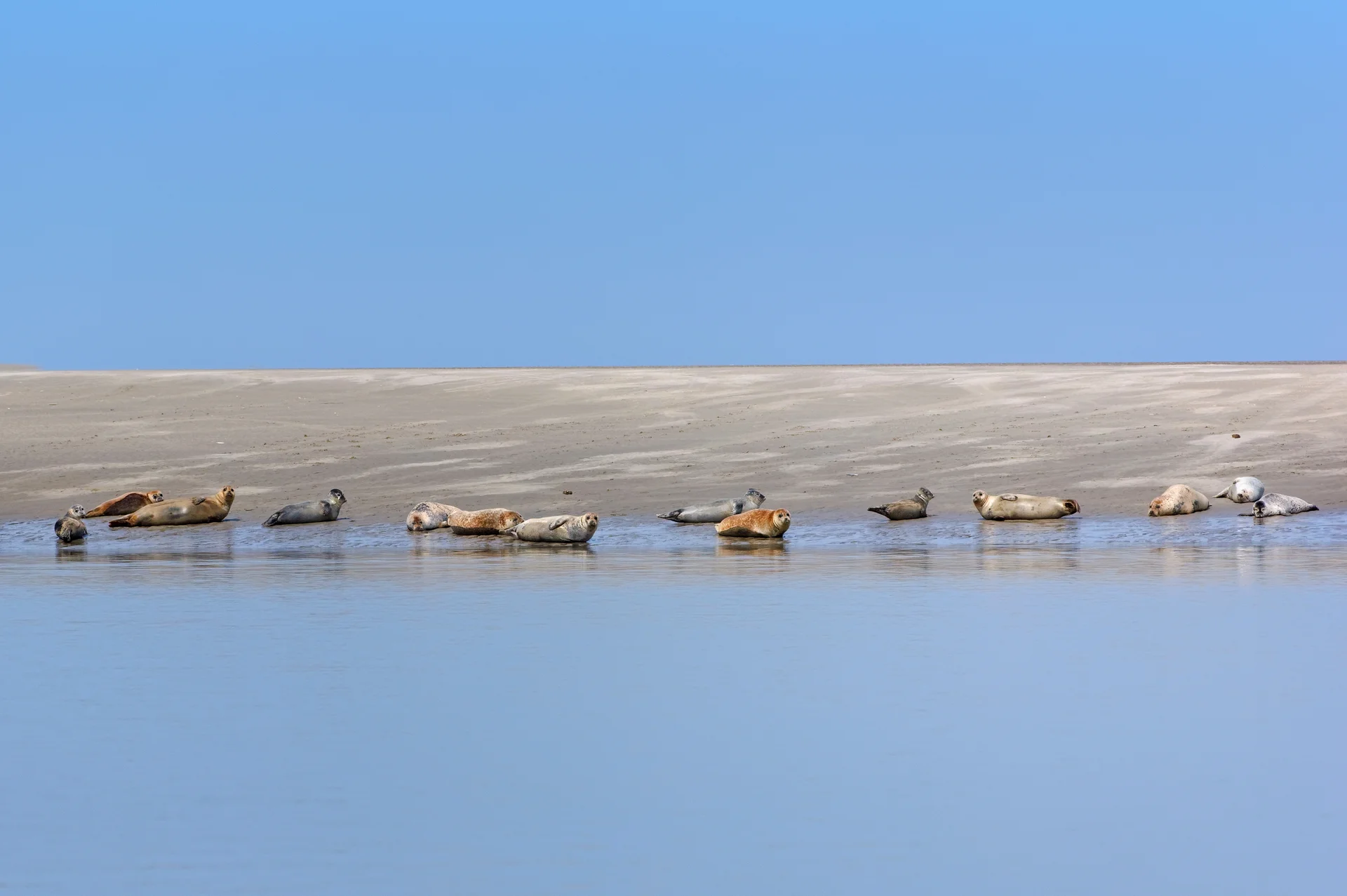
Mudflats transform into vast stretches of water in a matter of hours. The Baie de Somme Nature Reserve covers nearly 3,000 hectares of an estuary where the rhythm of the tides dictates the lives of thousands of migratory birds and the largest French colony of harbor seals.
This second largest estuarine complex in northwestern France unfurls its salt marshes, sandbanks, and dunes between the pointe du Hourdel (Hourdel Point) in the south and Saint-Quentin-en-Tourmont in the north.
A sanctuary protected since 1994
The ministerial decree of March 21, 1994, established protection for this exceptional area, which grew out of a former hunting reserve created in 1968. Managed today by the Syndicat Mixte Baie de Somme - Grand Littoral Picard (Baie de Somme - Grand Littoral Picard Joint Union), the reserve incorporates the famous Parc du Marquenterre on its terrestrial side. More than 300 species of birds, or 65% of European species, frequent these habitats. The site has been on the Ramsar list since 1998 and also holds the Grand Site de France label.
The mudflats teem with invertebrates that feed shorebirds and waders. Salt marshes, covered in glasswort and sea lavender, host halophilic flora adapted to regular submersion. Between dunes, reed beds, and marshes, this mosaic of habitats explains the biological richness of the place.
Observing seals and birds in their natural habitat
The harbor seal colony
At low tide, the sandbanks are covered with rounded silhouettes. The bay hosts about 600 seals, including 450 harbor seals and 150 gray seals. The best observations occur two hours before or after high tide, when the marine mammals return to their resting spots. Females give birth in June and July, so summer offers the chance to see the pups.
Several sites allow you to approach the colonies without disturbing them. Hourdel in the south, or the sandbanks accessible from le Crotoy (Le Crotoy), are prime observation points. Guided outings on foot, by kayak, or by dugout canoe allow for a respectful approach.
The spectacle of avian migration
April, May, and September mark the peak of the migrations. Greylag geese, red knots, Eurasian spoonbills, great egrets, and pied avocets pass through as the seasons change. Shorebirds forage on the mudflats at low tide. Ducks winter in large numbers on the water bodies. The Parc du Marquenterre, the ornithological heart of the reserve, offers 13 camouflaged blinds spread along 6 kilometers of trails.
Naturalist guides stationed in the observation huts share their expertise. They help identify species, explain their behaviors, and reveal the secrets of these migrants stopping over between Scandinavia and Africa.
Exploring the reserve: trails and nature activities
The Parc du Marquenterre, a prime entry point
This 200-hectare polder, transformed into an ornithological sanctuary in 1973, welcomes an average of 170,000 visitors per year. Three marked trails ranging from 45 minutes to over 2 hours accommodate all paces. You can visit independently or with a guide for a deeper experience. The site is open every day, with hours varying by season: from 10 am to 6 pm in winter, and until 7 pm from April to September.
Binocular rentals are available on-site for those who do not have their own. A restaurant and gift shop round out the amenities. Parking is free, and bike paths allow for arrival by bicycle.
Free access trails to the maritime zone
The reserve can also be visited for free from several access points. The chemin des Bergers (Shepherds' Path) in Saint-Quentin-en-Tourmont leads to free observation posts after a 3.6 km walk through the wooded dunes. Please note: dogs are strictly prohibited throughout the entire nature reserve, even on a leash.
Guided hikes depart regularly from the parking lot at la Maye in Le Crotoy. These 2 to 3 hour outings cross the salt marshes, follow the channels, and approach areas where seals and birds congregate.
Pro tip: Always check the tide tables before any outing in the maritime area. Some zones are accessible only at low tide, and the tide comes in very quickly. Local guides know the safe passages and the distance to maintain so you do not disturb the wildlife. Opt for guided tours for your first visit, especially if you want to observe the seals up close.
Best times to visit
Each season reveals a different face. Spring sees the arrival of nesting birds and the first migrants. Summer allows for the observation of young seals and chicks. Autumn marks the peak of migration with maximum diversity. Winter hosts northern wintering birds: ducks, geese, and certain waders.
Tourist crowds peak in July and August. To enjoy a more serene atmosphere, prefer May, June, or September. The low light of morning and evening highlights the landscapes and makes observations easier.

This area is rich in biodiversity. You can observe many different species of birds but also colonies of seals, especially during the warmer months. To give yourself the best chance of seeing them, choose a tour with a guide. I loved it.