
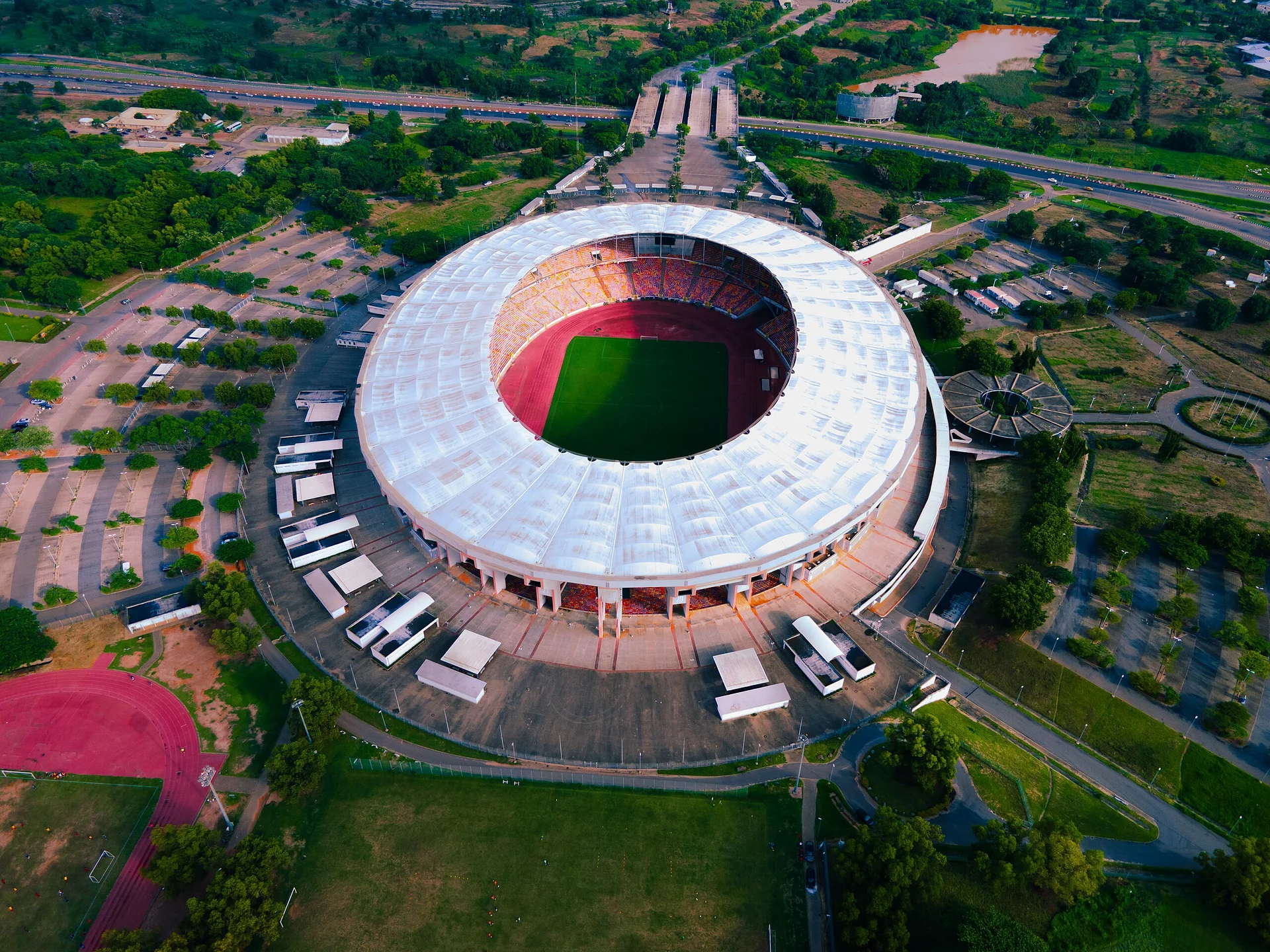
What to know about Abuja Stadium, an icon of Nigerian sports
An architectural masterpiece
Abuja Stadium, opened in 2003, stands as one of the most significant sports complexes in West Africa. Located in the capital of Nigeria, this arena represents the country's modern outlook and athletic ambition. Designed by renowned architects, the structure balances form and utility. With a capacity of 60,000 seats, it ranks among the largest stadiums in Nigeria, serving as a venue for major sporting events, concerts, and large-scale cultural gatherings.
A modern multisport arena
While primarily used for soccer, Abuja Stadium functions as a comprehensive athletic facility. It features an internationally standardized track, courts for racquet sports, and an Olympic-sized swimming pool. The venue hosted major competitions like the 2003 All-Africa Games and remains the home pitch for the national soccer team, the Super Eagles. Its technical specifications, including large-format scoreboards and high-end locker rooms, keep it competitive for international matchups.
A symbol of national pride
Abuja Stadium serves as more than just a competition venue. It is a point of pride for Nigerians. Set in a green landscape with meticulously maintained gardens, it embodies the vision of a dynamic, unified Nigeria. On game days, the stands fill with the sound of chants and drums from supporters, creating an intense, memorable atmosphere. Whether for a soccer match, a concert, or an official ceremony, this stadium remains one of the architectural and cultural pillars of Nigeria.