
Visiting the Omaha Beach Memorial Museum
The Omaha Beach Memorial Museum, located in the Normandy region of France, serves as a site dedicated to the memory of the D-Day Landings of June 1944 during World War II. It stands as a place of commemoration, honoring the sacrifices and courage of Allied soldiers.
Memories on the sand
The Omaha Beach Memorial Museum, opened in 1954, sits directly on Omaha Beach, one of the most significant landing sites in Normandy. It chronicles Operation Overlord and the efforts of Allied troops to liberate Europe from German occupation.
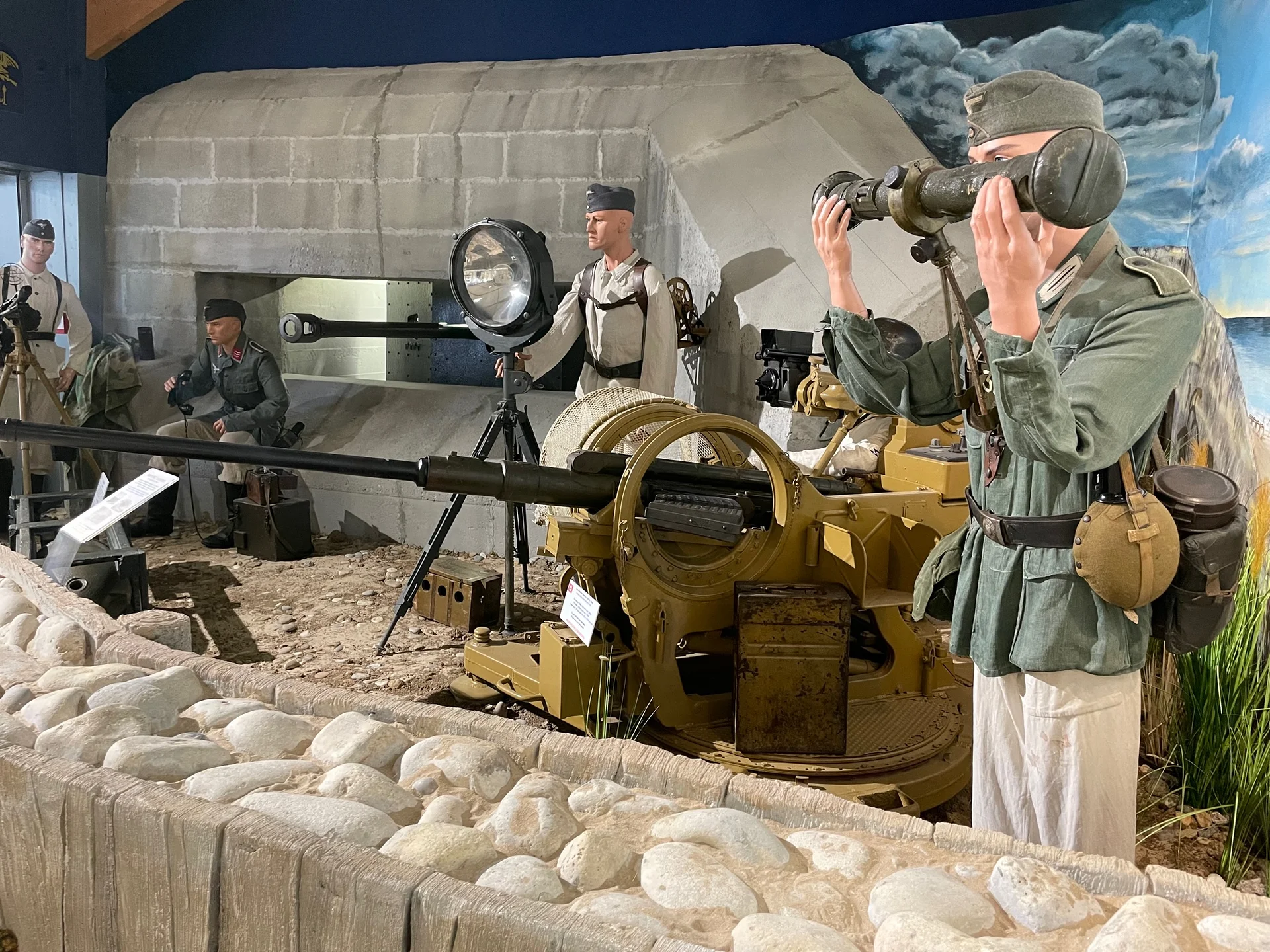
The museum displays collections across 1400m² (about 15,000 square feet), covering the preparations, tactical planning, and the events of that historic day. Authentic artifacts, photographs, and personal accounts provide a perspective on the realities of the war.
A visit to the Omaha Beach Memorial Museum is both educational and somber. Guests can explore permanent and temporary exhibits that detail the history of the landings and highlight the bravery of the soldiers. Scale models, archival documents, and documentary films offer an in-depth look at this turning point in the war.
On a landing beach
Walking along Omaha Beach, visitors can grasp the scale of the military operation and the intensity of the battle. Concrete bunkers, remnants of German defensive positions, and the commemorative monument serve as reminders of the events that unfolded on this coast.
The museum offers guided tours and lectures to provide deeper context regarding the landings and their aftermath. The Normandy American Cemetery in Colleville-sur-Mer, located nearby, serves as a place of reflection in honor of the soldiers who lost their lives.
The Omaha Beach Memorial Museum remains a vital place of remembrance, allowing visitors to pay tribute to those who fell during the Normandy landings. Situated on this historic stretch of sand, it preserves the history of this fragile period.

We talk a lot about the Second World War and many of its victims. Okay, it is not the most entertaining subject out there, but it is important to know what it was like so that it never happens again. This very educational museum does not aim to drown the visitor in tons of information or numbers so huge that they stop meaning anything. No, it gives you things to see and uses a lot of multimedia tools to capture the attention of as many people as possible.