
Visiting the Timgad Ruins
Timgad was originally known as "Marciana Trajana Thamugadi." The first half of the name, Marciana Trajana, honors the colony's founders, the Roman emperor Trajan and his sister Marciana. The second part, however, is not Latin. It comes directly from the Berber word Tamgut, which translates to "peak" or "summit" in reference to the local geography. Timgad is located 21 kilometers from Lambèse, on a route leading toward Theveste. It sits on a narrow high plain between the Aurès mountains and the djebel Bou Arif. Depending on the exact measurement point, the city sits at an elevation between 1,040 and 1,080 meters. Supplied by the Aïn Morris spring, this region was part of Gaetulia during the Roman era.
A Roman relic
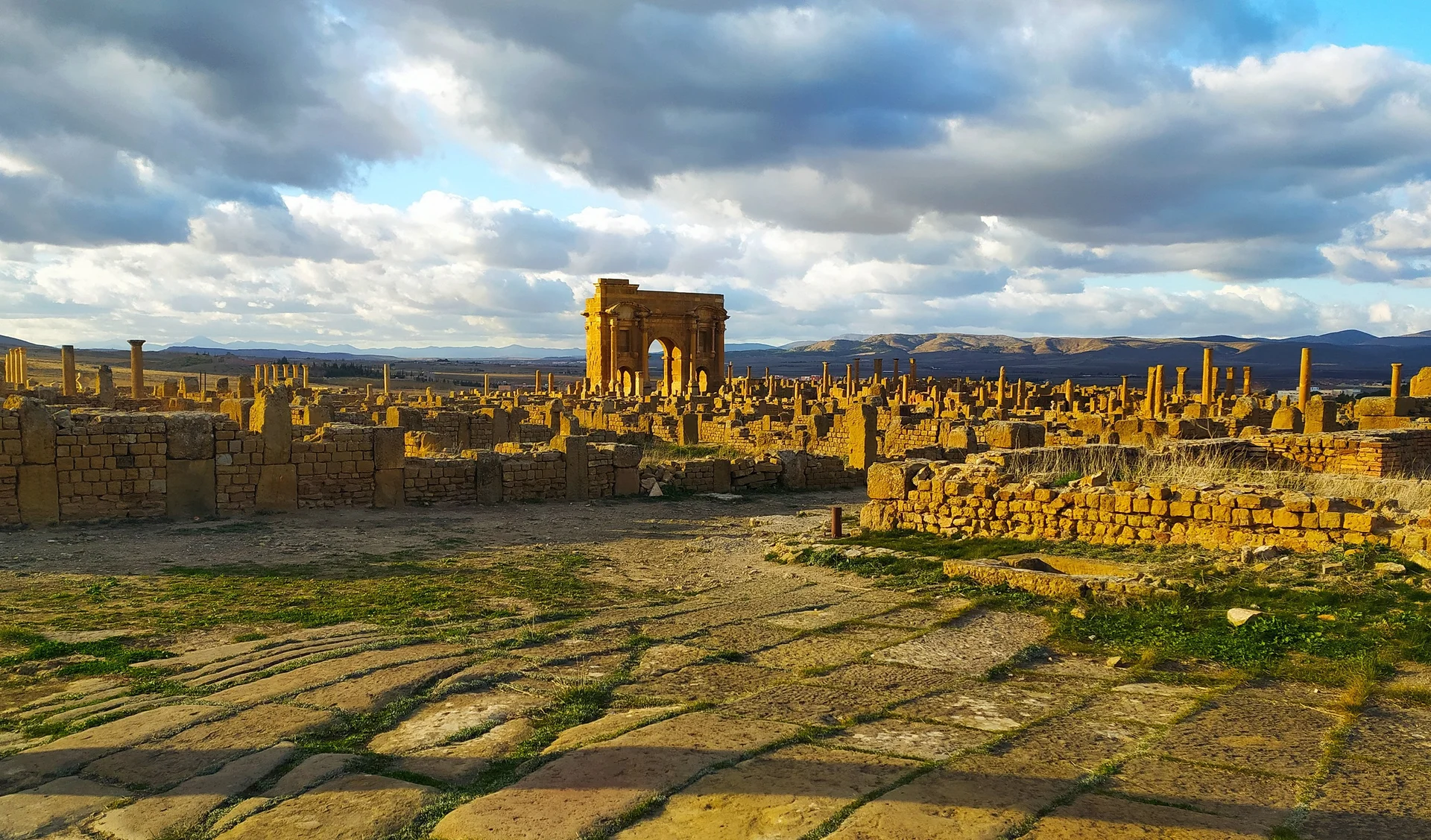
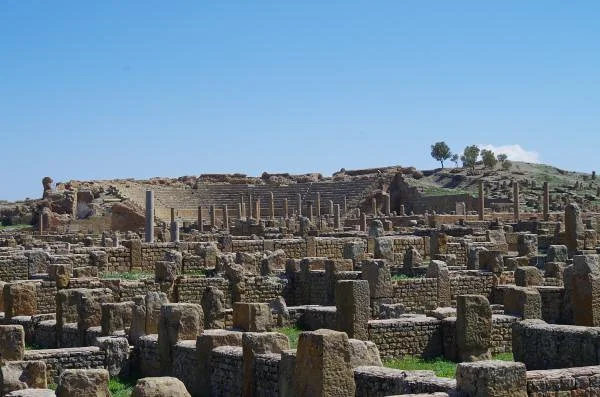
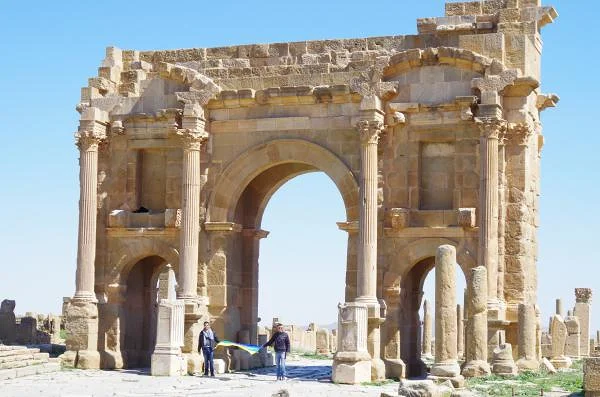
The Timgad Ruins are a unique archaeological site. They remain a prime example of a Roman military colony built from almost nothing. Founded in the first century AD, the city likely began as a camp for the Legio III Augusta. The urban layout visible today reflects the strict standards of Roman city planning. After its initial phase, the city expanded through the era of the Severan emperors (late second to early third century AD), which was clearly its golden age. Today, residential ruins and a well-preserved triumphal arch recall the splendor of this ancient past. The site, which was named a UNESCO World Heritage site in 1982, is subject to regular archaeological excavations aimed at uncovering the final secrets of the Roman presence in North Africa.
Opening hours
*Information subject to change

Algeria isn't really known for its cultural or historical tourism. Yet, just like everywhere else around the Mediterranean basin, there are old ruins in Algeria too!
The Roman ruins of Timgad cover several hectares. It is an entire ancient city that you can visit, with its old temples, amphitheater, forum... Definitely worth a visit, and I hope the authorities can keep the historical heritage of this UNESCO-listed site intact.