
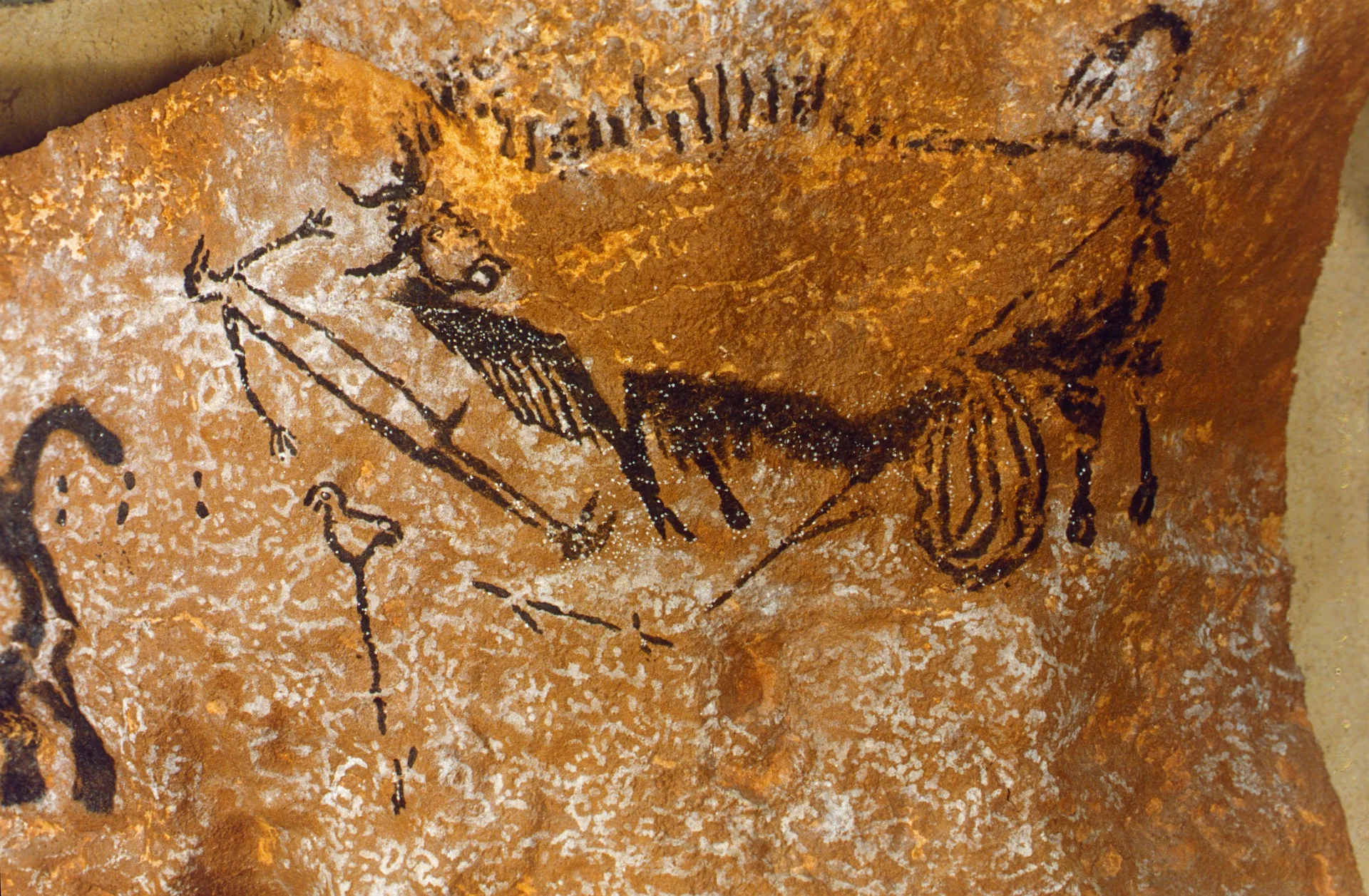
Visiting the Lascaux cave, a masterpiece of cave art
Deep in the Périgord Noir, the Lascaux cave draws both history buffs and curious travelers. Far beyond a simple prehistoric site, it tells a part of the human story frozen for over 17,000 years on the walls of a cavern now closed to the public. Fortunately, it has been faithfully recreated.
An archaeological treasure found by chance
In 1940, in Montignac, a group of teenagers stumbled upon this cavity adorned with exceptional cave paintings. The discovery was monumental. Bison, horses, deer, and other animal figures seem to pulse under the strokes of natural pigments applied directly to the rock. Designated a UNESCO World Heritage site, the original cave had to be closed in 1963 for conservation, but its reputation has only grown.
Lascaux IV: an immersive and modern replica
To preserve this heritage while keeping it accessible, a full-scale facsimile known as Lascaux IV opened in 2016. Housed within the Centre international de l'art pariétal (International Center for Cave Art), the site offers a complete reproduction of the cave with startling attention to detail.
You can discover the frescoes in their entirety alongside interactive spaces that explain the techniques used by prehistoric artists and the history of the site's discovery. The path is well-designed, easy to follow, and accessible to everyone.
A visit enriched by the Périgord surroundings
A visit to Lascaux IV fits perfectly into a day exploring the Périgord Noir. Montignac, a small town along the Vézère river, is pleasant to walk through with its medieval lanes and solid restaurants. Nearby, you can also visit other major sites like the Rouffignac Cave, the musée national de Préhistoire aux Eyzies (National Prehistory Museum in Les Eyzies), or castles such as the Château de Losse.
The region offers an interesting balance of nature, culture, and historical heritage.
Opening hours
Open daily (except December 25 and January 1) during the following hours: April through September, 9:00 AM to 7:30 PM; October through March, 10:00 AM to 6:00 PM. Last admission is 1 hour and 30 minutes before closing time.
*Information subject to change

Visiting the Lascaux cave (which is certainly not the real one, but where the atmosphere is faithfully reproduced) is something unique. When you think about the fact that the drawings are over 20,000 years old, it makes your head spin! Other areas, which are more museum-like, allow you to learn more about this place and its history. I highly recommend this visit, which is suitable for families as well as solo travelers.