
Bahia Nautical Museum: The lighthouse telling the story of Brazil's maritime epic
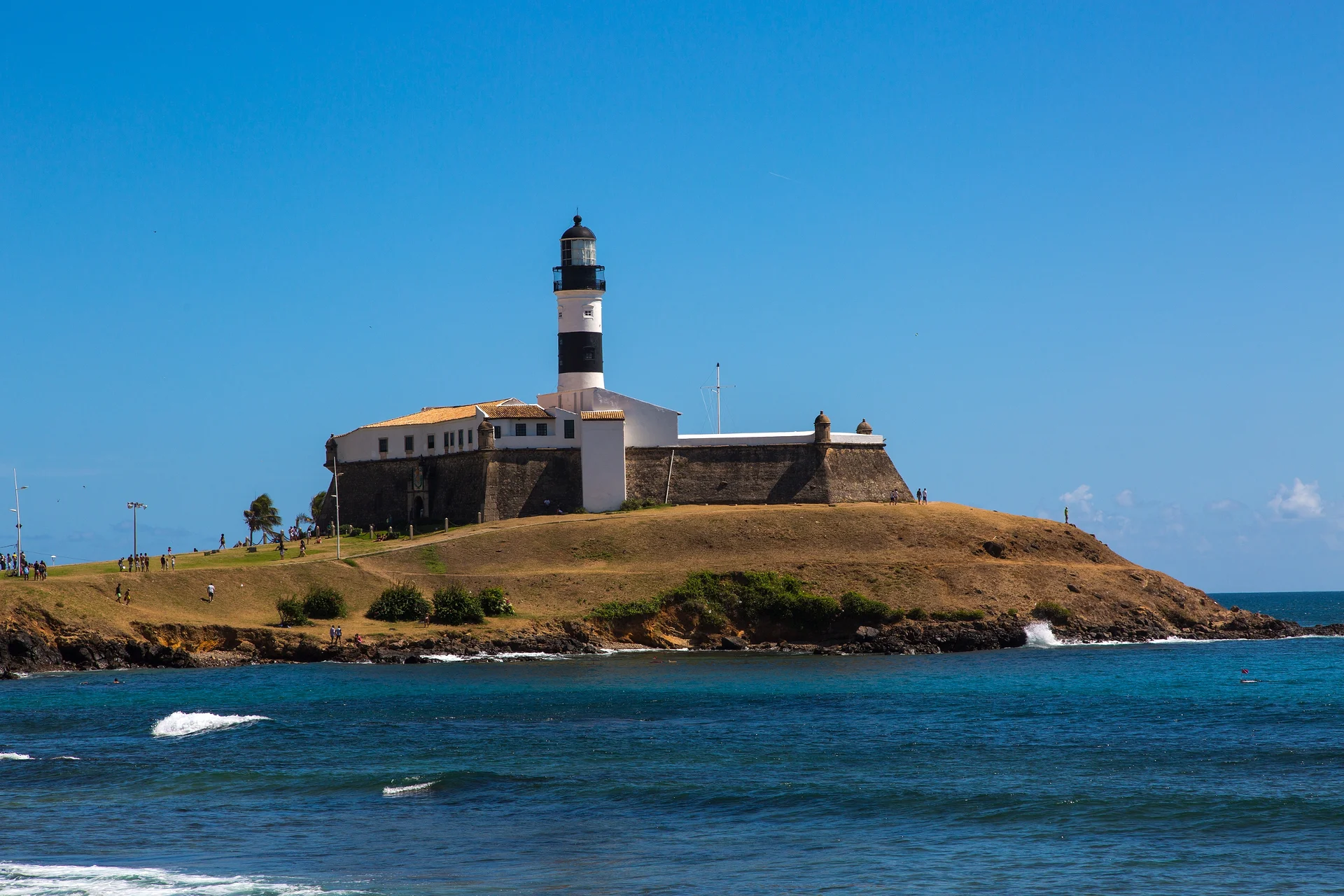
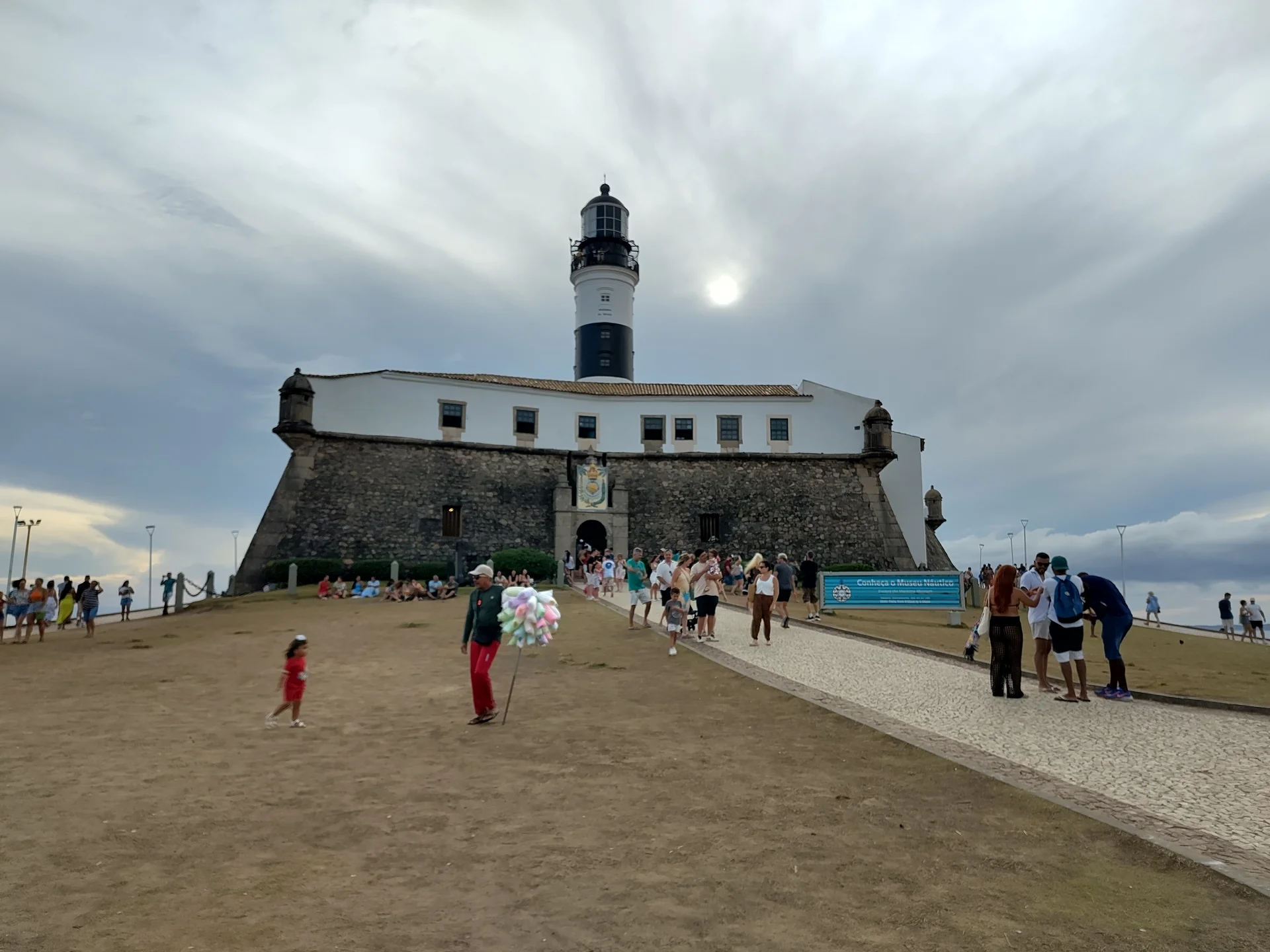
Since 1698, a light has guided ships into the entrance of the All Saints Bay. Within the stone walls of the Fort Santo António da Barra, the oldest military structure in the country, lies an extraordinary collection of objects recovered from the depths after centuries underwater. This is more than a maritime museum, it is a silent witness to three centuries of Brazilian history.
Why the Bahia Nautical Museum is worth your time
The fort housing the museum predates the 1549 founding of Salvador. Built in 1534 to protect the fledgling colony, it saw Portuguese, Dutch, and Spanish forces clash for control of this strategic point. In 1839, a 22-meter lighthouse tower was added, becoming the oldest active lighthouse in South America. Its red and white beams can still be seen 70 kilometers out at sea today.
Transformed into the Bahia Nautical Museum in 1998 following a complete restoration, this unique space in the state of Bahia gathers treasures that recount the Portuguese maritime adventure and the crucial role of Salvador in Atlantic navigation. Major travel publications often highlight it as the best museum in the city, and that reputation is well-earned.
Treasures from the abyss
The highlight of the collection comes from the shipwrecks scattered across the floor of All Saints Bay. The rooms are filled with underwater archaeological artifacts recovered from the site of the Portuguese galleon Santíssimo Sacramento, which sank off the coast of Salvador in 1668. Pottery, amphorae, coins, and hull fragments keep the mystery of these lost cargoes intact.
The ancient navigation instruments are fascinating in their ingenuity. Astrolabes, sextants, and magnetic compasses demonstrate the expertise of the Portuguese navigators who charted routes to India and China. Maps yellowed by time reveal a world under discovery, where every new pen stroke redefined the limits of the known.
The miniature room
One specific area invariably draws the focus of visitors: the room dedicated to ship models. From legendary caravels to 19th-century warships, these detailed reproductions trace the evolution of Brazilian shipbuilding. However, the real feat of craftsmanship is found in the display cases containing entire ships built inside tiny glass bottles, a level of detail that defies belief.
The painful history of the slave trade
The museum does not shy away from the dark chapters of history. An entire section documents the transatlantic slave trade, for which Salvador served as one of the primary entry points in the Americas. More than one million Africans were brought to this bay between the 16th and 19th centuries. The interpretive panels, available in both Portuguese and English, show the inhumane conditions of the crossing and the central economic role of slavery in colonial prosperity.
This honest historical approach sets the museum apart from institutions that prefer to sugarcoat the past. The objects on display speak for themselves: chains, bills of sale, and written accounts reconstruct a brutal reality that Salvador fully acknowledges today.
Climbing to the top of the lighthouse
The spiral staircase leading to the lighthouse lantern is a workout for your legs, but the reward is worth every step. From the top, the view spans 360 degrees. To the north, All Saints Bay stretches infinitely with its emerald islands. To the south, the Atlantic Ocean rolls in. To the east, Salvador spreads its colorful rooftops toward the horizon.
This panorama makes it easy to understand why this site was chosen as the colony's first line of defense. The green lawns surrounding the fort attract local residents at the end of the day to watch the sunset, turning the site into a natural observatory where history and contemplation meet.
Friendly tip: Arrive at the 9 a.m. opening to enjoy the museum in peace before the tour groups arrive. The ticket office closes at 5:30 p.m., and the last entry is 30 minutes before closing. Plan for at least 90 minutes to 2 hours to explore the museum and climb the lighthouse without rushing.
Opening hours
*Information subject to change

Navigation instruments, maps of the Bay of All Saints, the history of the bay's exploration and the construction of Brazil's first city, a few words on the triangular trade and relations with the Amerindians, the history of shipwrecks in the bay, a description of saveiros, those typical sailboats... Not to mention the stunning view of the beaches, the sea, and the island of Itaparica across the way.