
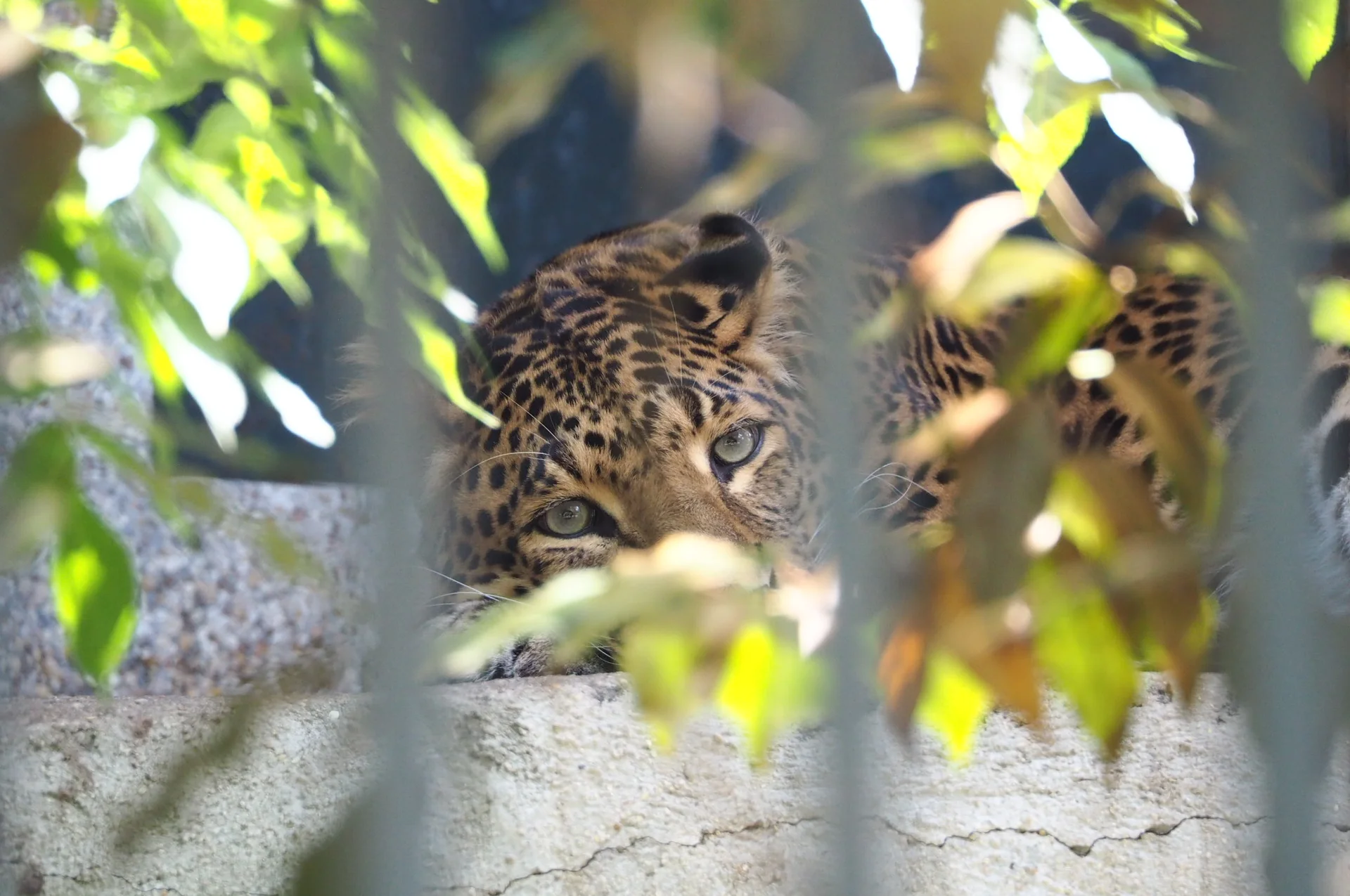
Menagerie of the Jardin des Plantes: 230 years of wildlife in the heart of Paris
An orangutan that paints canvases, Art Deco buildings listed as historic monuments, and Tasmanian devils you will not find anywhere else in France. Founded in 1794 with animals rescued from the royal menagerie at Versailles, the Menagerie of the Jardin des Plantes is one of the oldest zoos in the world still in operation.
Why visit the Menagerie of the Jardin des Plantes?
Across 5.5 hectares (about 13.6 acres) in the 5th arrondissement, roughly 600 animals from 190 species live under the canopy of the Jardin des Plantes. About 40 percent of these species are threatened with extinction. This is not just a zoo. It is an active participant in global conservation, with successful reintroduction programs for the Arabian oryx and the golden lion tamarin in Brazil to its credit.
Since the 1970s, the larger animals have been moved to more spacious facilities. You will not find elephants or giraffes here. The Menagerie now focuses on small to medium-sized animals, many of which are rare or seldom seen in other European zoos.
An open-air architectural heritage
All of the buildings have been listed as historic monuments since 1993. The bear pits date back to 1805. The Rotonde (Rotunda), built between 1802 and 1812, features a floor plan shaped like the Legion of Honor cross. The metal Grande Volière (Large Aviary), designed in 1888 for the World Fair, still houses dozens of bird species.
The Vivarium, the Singerie (Monkey House), and the Fauverie (Big Cat House), all constructed in the 1920s and 1930s, showcase a distinct Art Deco aesthetic. The contrast between these geometric lines and the small rustic structures, inspired by Marie-Antoinette's hamlet at Versailles, gives the place a rare charm.
The residents worth seeing
The star of the show is Nénette. This Bornean orangutan, born around 1969, has lived here since 1972. She is one of the oldest orangutans in the world and regularly paints using her fingers and mouth. Nicolas Philibert dedicated an entire documentary to her in 2010.
Other highlights include:
- Red pandas, including two babies born recently
- The snow leopard, elusive and fascinating
- Tasmanian devils, which arrived in 2023, a first for Paris
- Seychelles giant tortoises, which can be seen outdoors in the summer
- The kea parrot, the Visayan warty pig, and the short-tailed pademelon, all of which are rarely found in zoos
Pro tip: Visit in the spring or summer when the animals are more active and visible. On weekday mornings, the paths are quiet and viewing is much better. Remember to download the free Menagerie app, which includes interactive scavenger hunts for children ages 4 to 12.
A zoo in transition
A new 600-square-meter enclosure for the orangutans is currently under construction, with an opening planned for 2026. The reptile house, closed since 2019, is undergoing a complete restoration. Some outdoor areas are temporarily inaccessible.
Why it stands out
- Unique historic, tree-lined setting with landmark-listed buildings
- Rare species seldom presented in other European parks
- Focus on threatened species with concrete reintroduction programs
- Regular activities like feeding demonstrations, keeper talks, and a 12-step biodiversity tour
Things to know before you go
- Some modest enclosures may disappoint visitors used to massive modern zoos
- Reptile house currently closed for renovations
- Construction zones may temporarily limit the walking path
Ticket pricing
| Category | Price |
|---|---|
| Standard rate, ages 26 and up | 13 EUR (about $14) |
| Reduced rate: ages 3-25 (EU residents), job seekers, Education Pass holders | 10 EUR (about $11) |
| Family package: 2 adults + 2 youths aged 3 to 25 | 40 EUR (about $43) |
| Children under 3 | Free |
| Disabled visitors + one caregiver | Free |
Prices are indicative and subject to change.
Opening hours
How long for this activity
*Information subject to change

As much as I love the Jardin des Plantes, especially the greenhouses, I don't really like the zoo. Sure, there are plenty of animal species, but they don't seem very comfortable. Their enclosures are very small and not suitable. In winter, some animals left outside are shivering from the cold.