Fiji at a Glance
Fiji is 333 islands of jungle, white sand, and mangrove, spread across the South Pacific. Some are big enough for resorts and rainforest hikes; others are tiny enough that you'll have the beach to yourself for days at a stretch. The archipelago rewards every type of traveler, as long as you're willing to make the long haul out there.
Ocean, Caves, and Water Sports
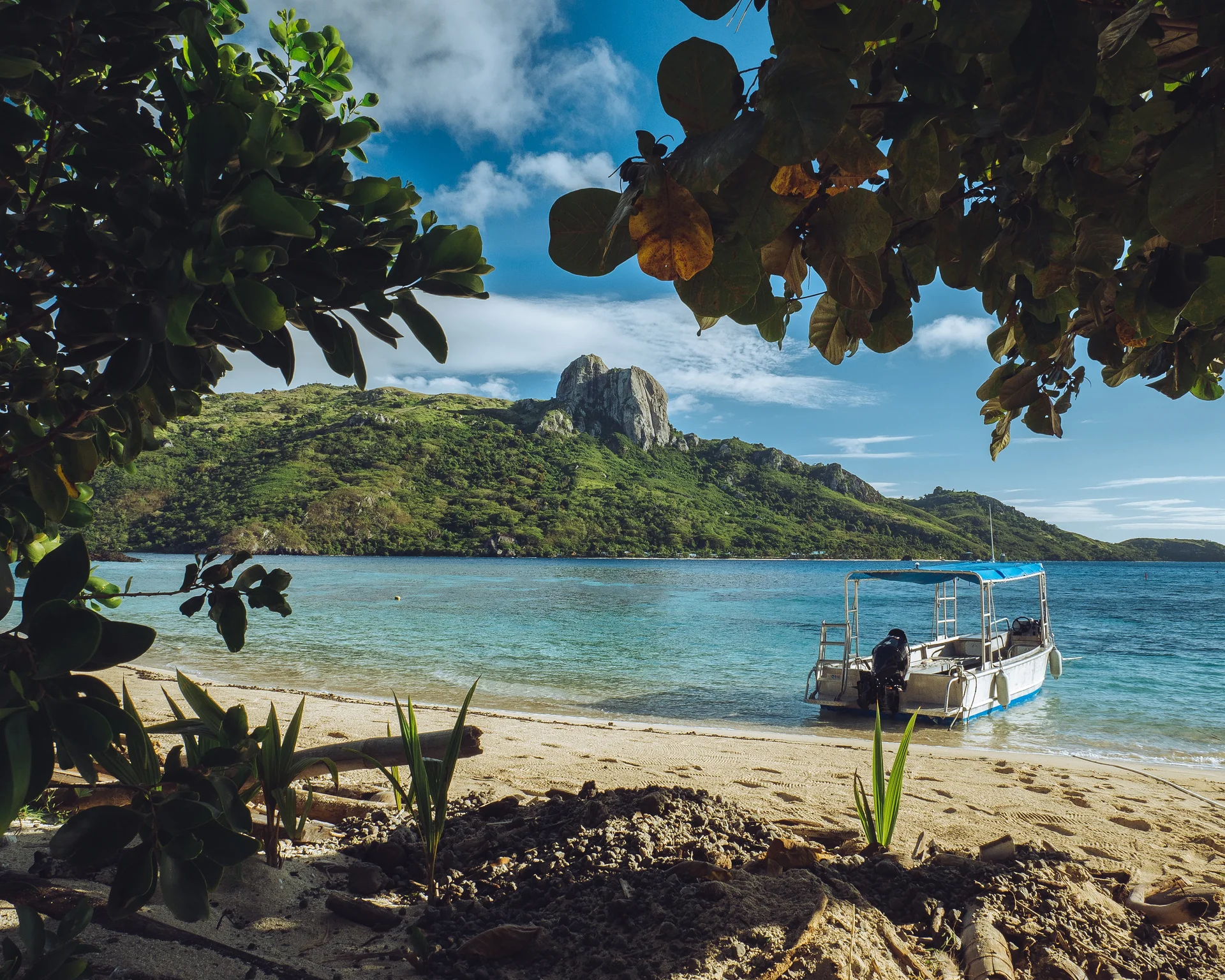
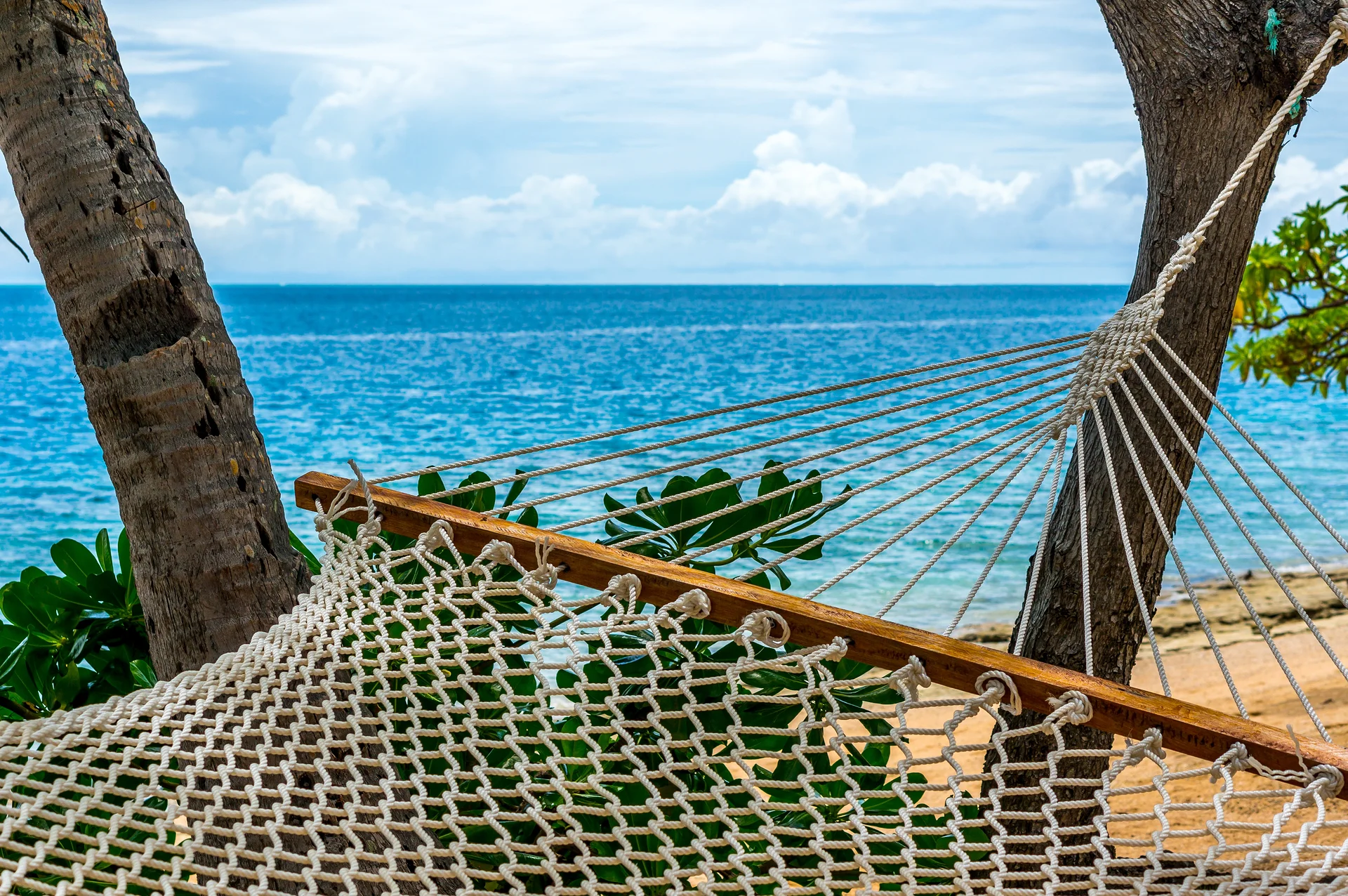
The beaches on the Yasawa Islands are what most people picture when they think of Fiji: powdery white sand, water so clear it reads turquoise from the air. For something more adventurous, head to Sawa-i-Lau, where an underwater tunnel leads into a hidden limestone cave with ancient inscriptions carved into the walls. The Mamanuca Islands sit closer to Nadi and pack in most of the luxury resorts, along with a serious menu of water sports. Surfers know Cloudbreak for its massive reef break, where waves can top 80 feet, some of the heaviest water in the world. Watching pros charge those barrels from a boat is a spectacle in itself. Windsurfers and kitesurfers gravitate to Nananu-i-Ra Island, where consistent trade winds make conditions reliably good.
Hiking, Natural Slides, and Whitewater Rafting
Fiji isn't all beach. The national parks here are genuinely uncrowded, and the trails wind through dense rainforest alongside streams and rivers. Colo-i-Suva Forest Park, just outside Suva, is the most accessible and a solid intro to Fiji's interior. Bouma and Koroyanitu are worth the extra effort for the birdlife alone. For something more playful, the Waitavala Water Slide is a natural rock slide that funnels you down a waterfall into a pool below. It's exactly as fun as it sounds. For a full change of scenery, the Namosi Highlands deliver dramatic gorge country, and a whitewater rafting run down the Wainikoroiluva River through those canyon walls is one of the better adrenaline experiences in the Pacific. The Sigatoka Sand Dunes, a protected national park on Viti Levu's Coral Coast, round out the inland highlights with a surprisingly raw, windswept landscape.
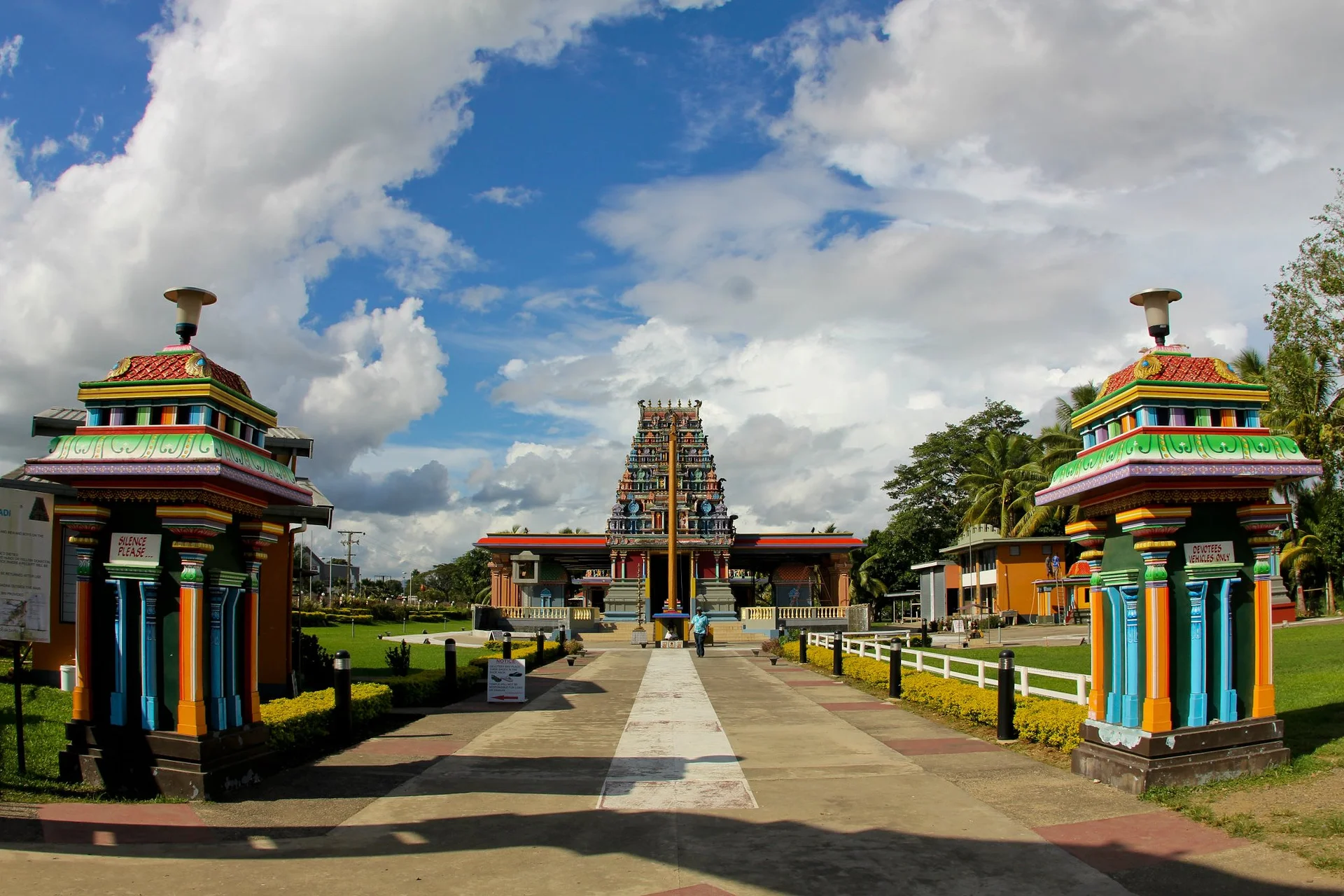
Most flights land at Nadi, and it's worth spending a day here rather than rushing straight to a resort. The city is genuinely multicultural, with Christian churches, mosques, and Hindu temples within blocks of each other. History buffs should make time for Levuka, Fiji's original colonial capital, which has a faded 19th-century character unlike anywhere else in the islands. And on Viti Levu, the village of Navala is one of the few places in Fiji where you can still see traditional bure, thatched-roof houses built entirely from natural materials.
When to Go
Fiji sits close enough to the equator that temperatures hover between 79°F and 86°F year-round, so there's no truly bad time to visit. That said, the dry season from June through October is the sweet spot: lower humidity, less rain, and calmer seas. The wet season runs November through April, and while you'll deal with tropical downpours and the occasional cyclone risk, hotel rates drop noticeably during those months, which can make a real difference when you're already spending heavily on flights.
Getting There
Fiji sits squarely in the middle of the South Pacific, roughly 10 hours from Los Angeles and over 10 hours from Sydney. Flights from the US West Coast to Nadi International Airport (NAN) typically run $1,000 to $1,800 round-trip depending on the season, and almost always involve at least one connection. Budget at least a full travel day each way. It's a serious journey, but the distance is also exactly why the islands feel as untouched as they do.