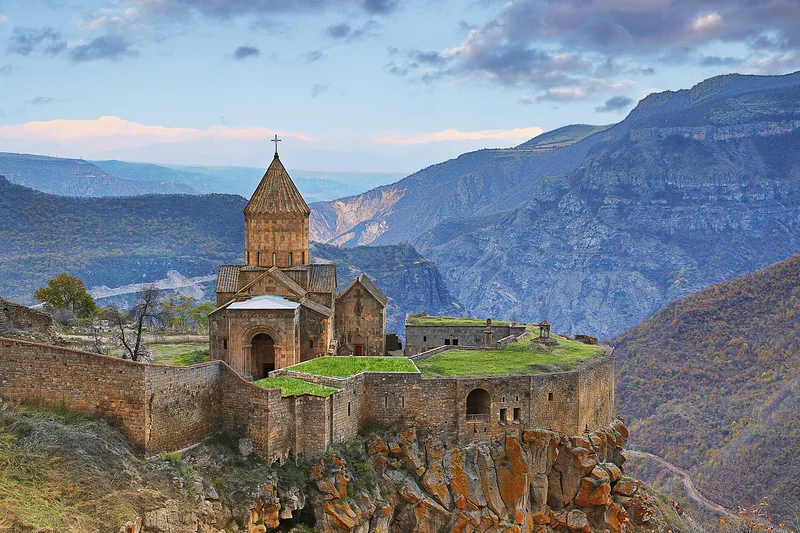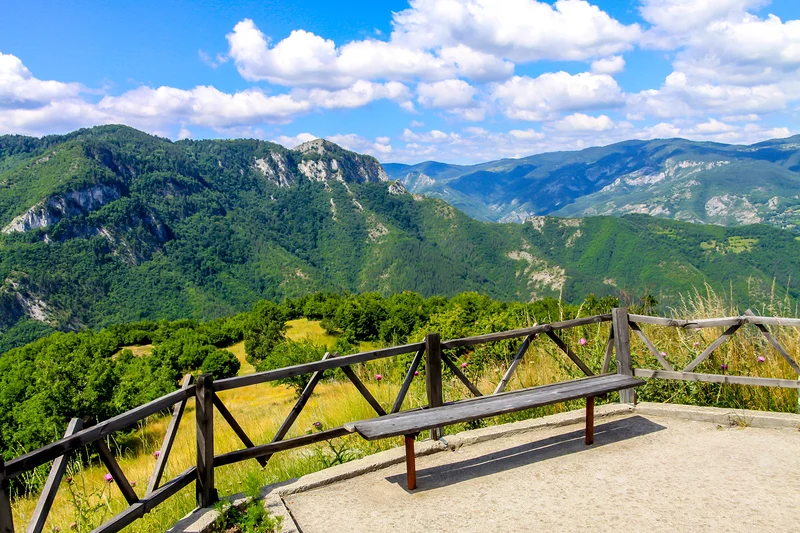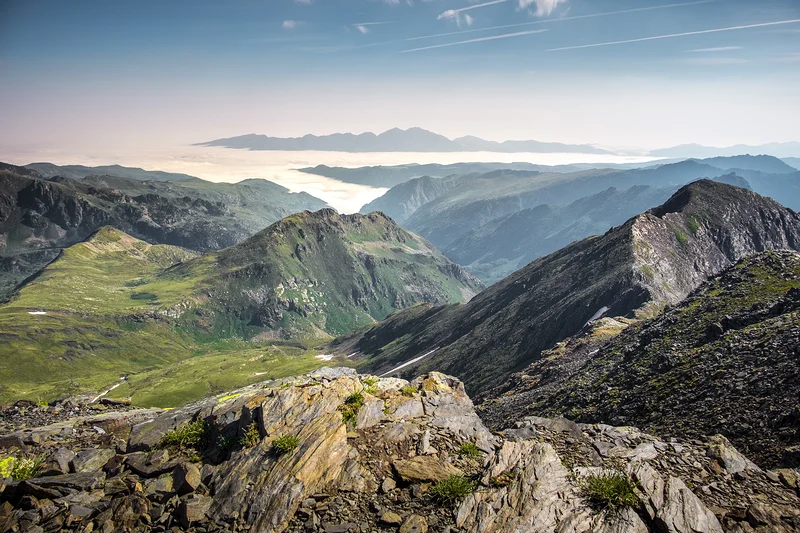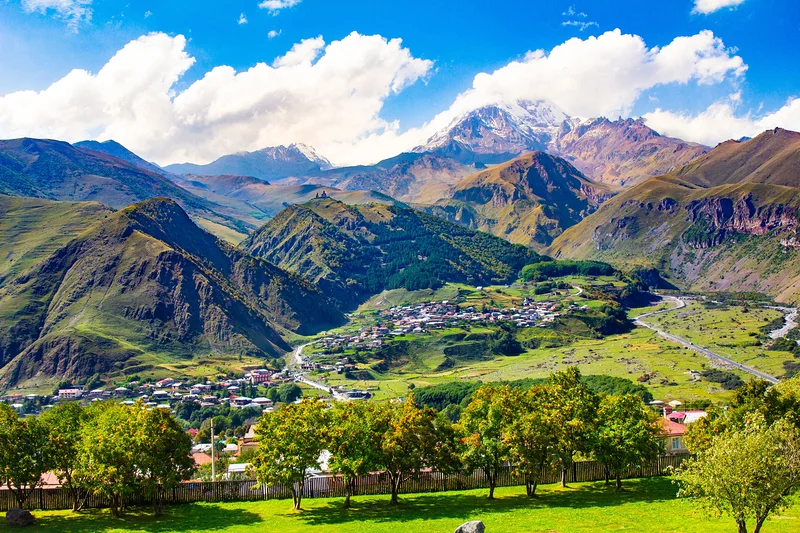
Latvia at a glance
Latvia is one of those spots that stays under the radar for most travelers. This small Baltic country has seen a recent uptick in interest, yet it remains largely untouched by the heavy crowds found elsewhere in Europe. Now is the time to go.
Riga, a capital with character
Riga, the capital, does not have the same immediate name recognition as its Baltic neighbors Vilnius or Tallinn. However, it boasts superb architecture that spans a dizzying array of styles and eras. Walking through the city center, you will encounter a mix of Art Deco, medieval, Baroque, Gothic, Renaissance, and Soviet-era buildings. This city, with its deep historical ties to Russia, is active day and night. You must visit the imposing cathedral, which stands 90 meters tall and holds the record as the highest in the Baltic region. Wander the Vieux Riga (Old Riga) neighborhood, and if the sun is out, spend time in the city's many parks. A local staple, the Doma Laukums (Cathedral Square) turns into an open-air bar in the evenings.
Castles, caves, and forests
Do not stick solely to Riga if you want a complete picture of Latvia. Head toward the town of Sigulda, often called the "Latvian Switzerland." It serves as a prime base for exploring a region packed with curiosities, castles, and caves. The parc national de la Gauja (Gauja National Park) sits right at the edge of Sigulda and is a mandatory stop. It is the largest park in the country, functioning as a spa town in the summer and a ski resort in the winter. The area is dotted with historic landmarks including old mansions, fortresses, and windmills.
From the top of the château de Turaida (Turaida Castle), once owned by the archbishop, you get a wide-reaching view over the surrounding forests. The grottes de Viktors et de Gutmanis (Viktors and Gutmanis caves) are worth a visit. It is best to hire a guide to explain their significance in local folklore and traditions.
Beach and culture
You might not realize it, but Latvia is also a legitimate beach destination. Jurmala (meaning "the shore") stretches along the coast just west of Riga. Small white cottages line a long sand beach that has the distinct advantage of never feeling overcrowded. It is a great place to explore the dunes and pine forests. Round out your trip with a visit to the palais de Rundale (Rundale Palace), built in 1737. This lavish Baroque structure is often compared to Versailles, though on a more intimate scale.
When to go
Spring and summer are the best times to visit Latvia. The days are sunny and filled with outdoor activities. Avoid the fall, which is quite rainy, and the winter, when temperatures can drop significantly. Because of the country's northern latitude, expect very long days in the summer and very short ones in the winter.
How to get there
Most travelers flying into Latvia land in Riga. A flight from the US will typically require at least one connection in a major European hub, with total costs varying widely depending on your point of departure. Once you arrive in Latvia, you can easily reach the major cities of the other Baltic states by bus.