Visiting Andorra: Nature, Culture, and Activities in the Heart of the Pyrenees
Tucked between France and Spain, Andorra is a charming principality combining mountain landscapes, Mediterranean cultural touches, and year-round outdoor pursuits. Despite its small size, this nation packs plenty of appeal for travelers seeking fresh air, unwinding, and genuine local discoveries.
An Outdoor Lover's Paradise

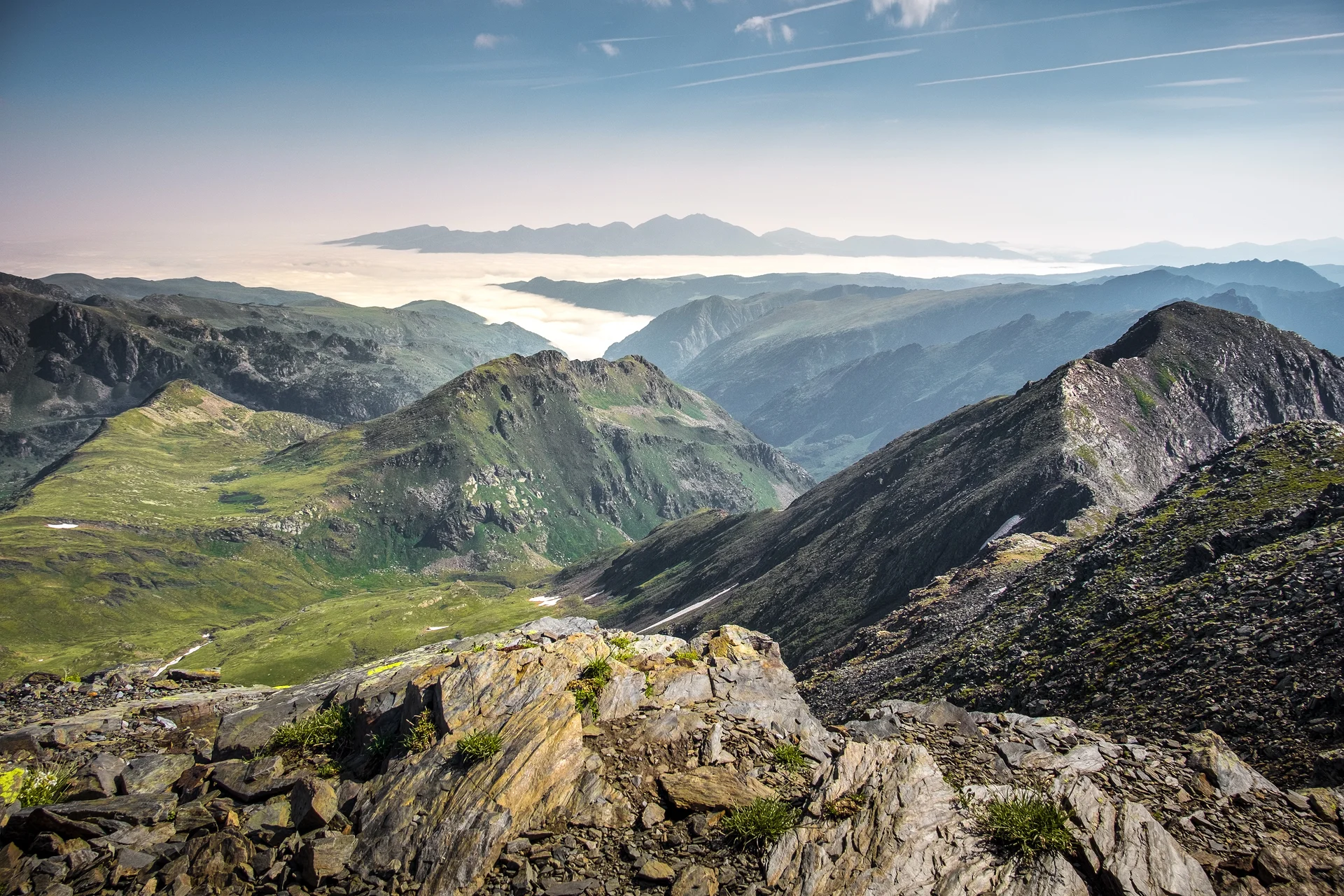
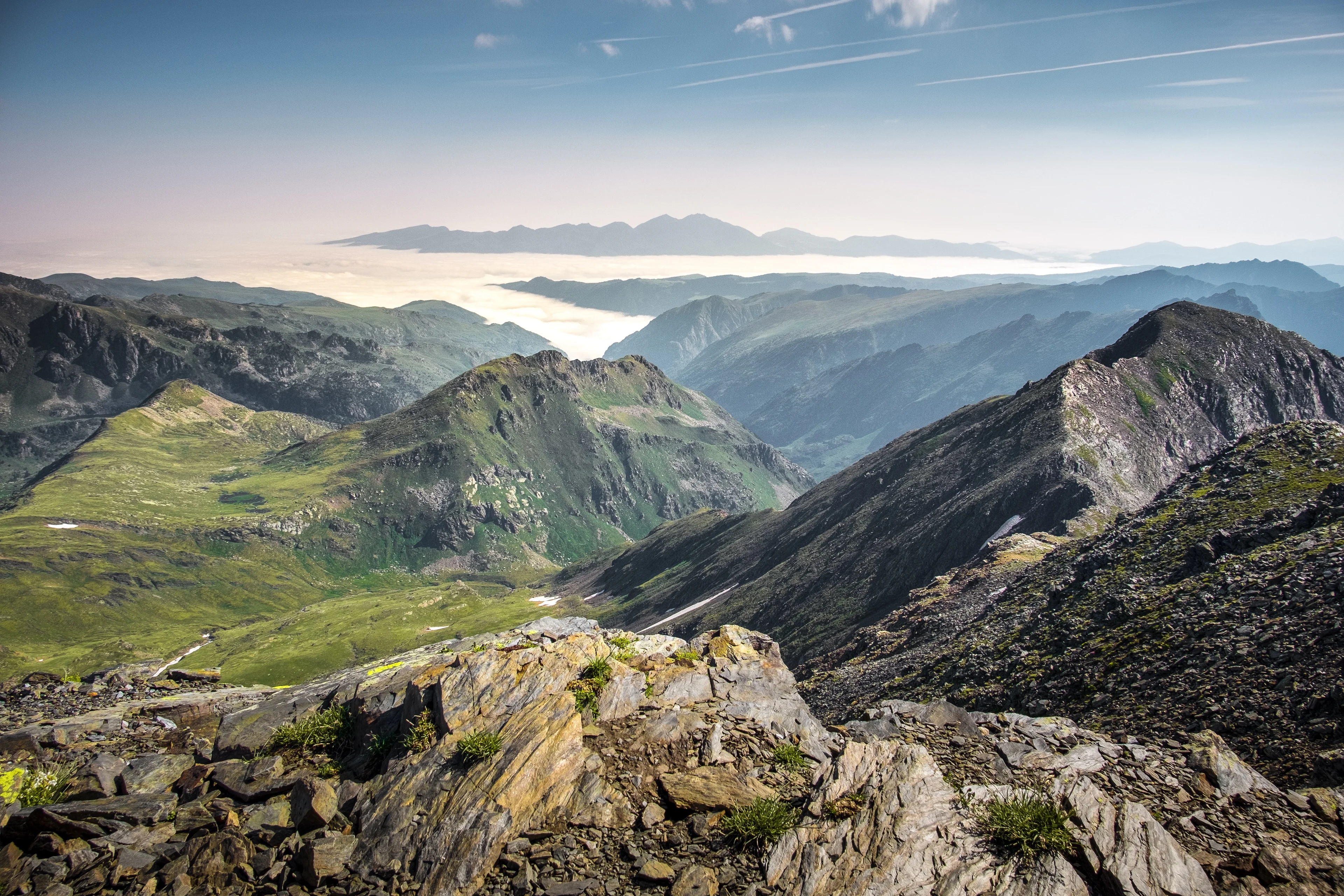
Andorra's natural wealth is a major draw for anyone who loves spending time outside. Summer hiking trails crisscross the Pyrenees, revealing dramatic terrain marked by dense forests, glacial lakes, and towering peaks. The Sorteny Valley Nature Park, known for its colorful native flora and rare plant species, provides routes for all fitness levels. When winter arrives, Andorra pivots into a ski destination drawing crowds to resorts like Grandvalira and Pal Arinsal and Ordino Arcalís, where miles of groomed slopes await skiers and snowboarders. Whether you come to hike, ski, or simply enjoy the mountain scenery, the country sets the stage for a proper reset.
Andorran Culture: Blending Heritage and Modern Life

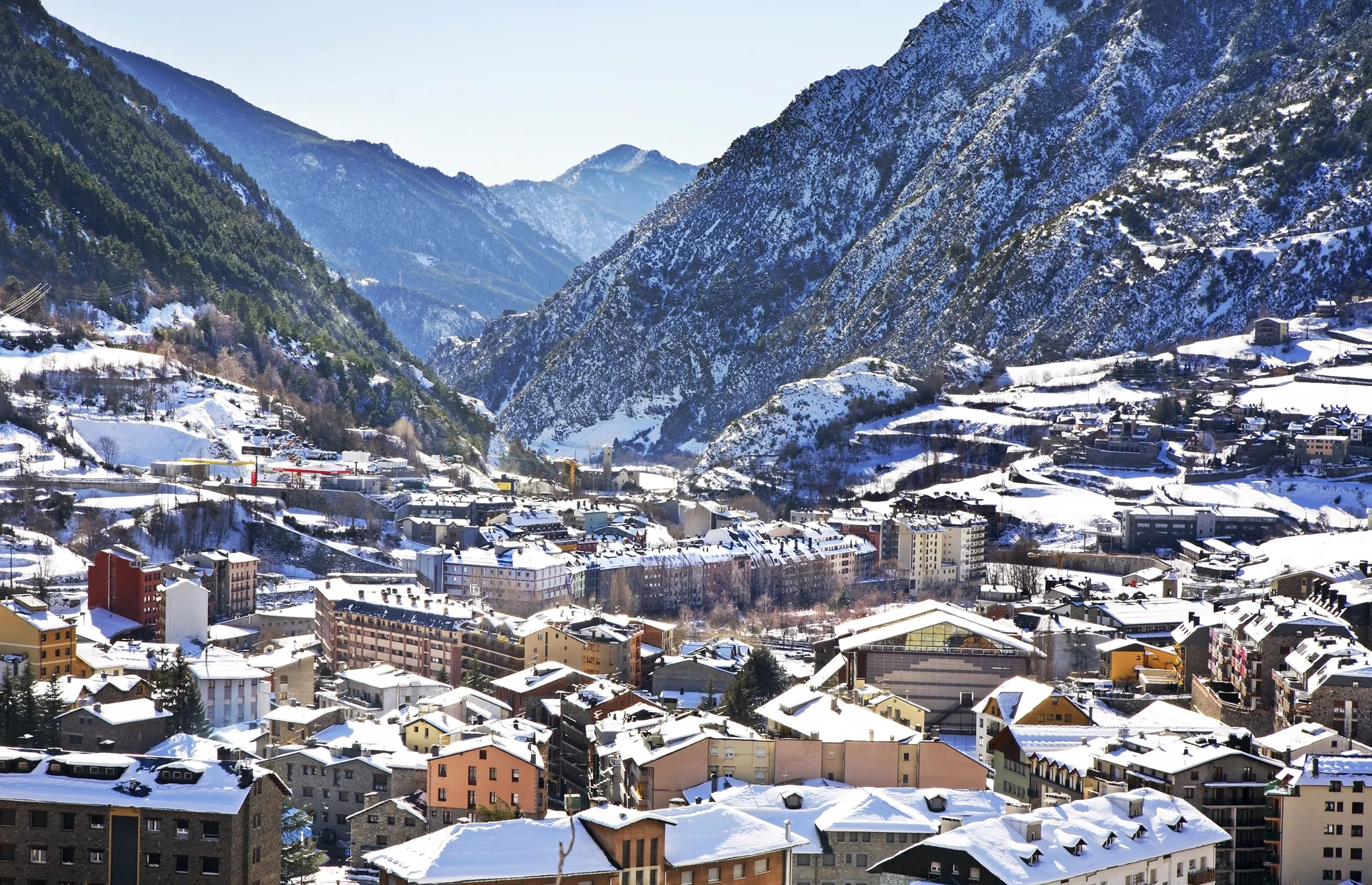
Despite its compact footprint, Andorra holds a distinct history and culture shaped by its status as a co-principality and centuries of French and Spanish influence. Architecture fans will appreciate the Romanesque churches scattered throughout the valleys, such as the Sant Joan de Caselles church in Canillo. The historic quarter of Andorra la Vella features stone buildings, narrow alleys, and viewpoint overlooks. To trace the nation's political roots, a stop at the Casa de la Vall, the former parliament seat, is essential. Museums like the Tobacco Museum and the Miniature Museum also offer insight into local craft and tradition.
Shopping in Andorra la Vella

Andorra operates under favorable tax laws that have turned it into a major retail hub. The capital, Andorra la Vella, is lined with shops selling apparel, electronics, cosmetics, and spirits at rates often lower than neighboring countries. Large retail complexes like Pyrénées or Illa Carlemany draw steady crowds looking for deals. Shoppers searching for regional goods can also browse smaller independent storefronts selling local crafts and specialty food items.
Relaxation at Caldea Thermal Spa

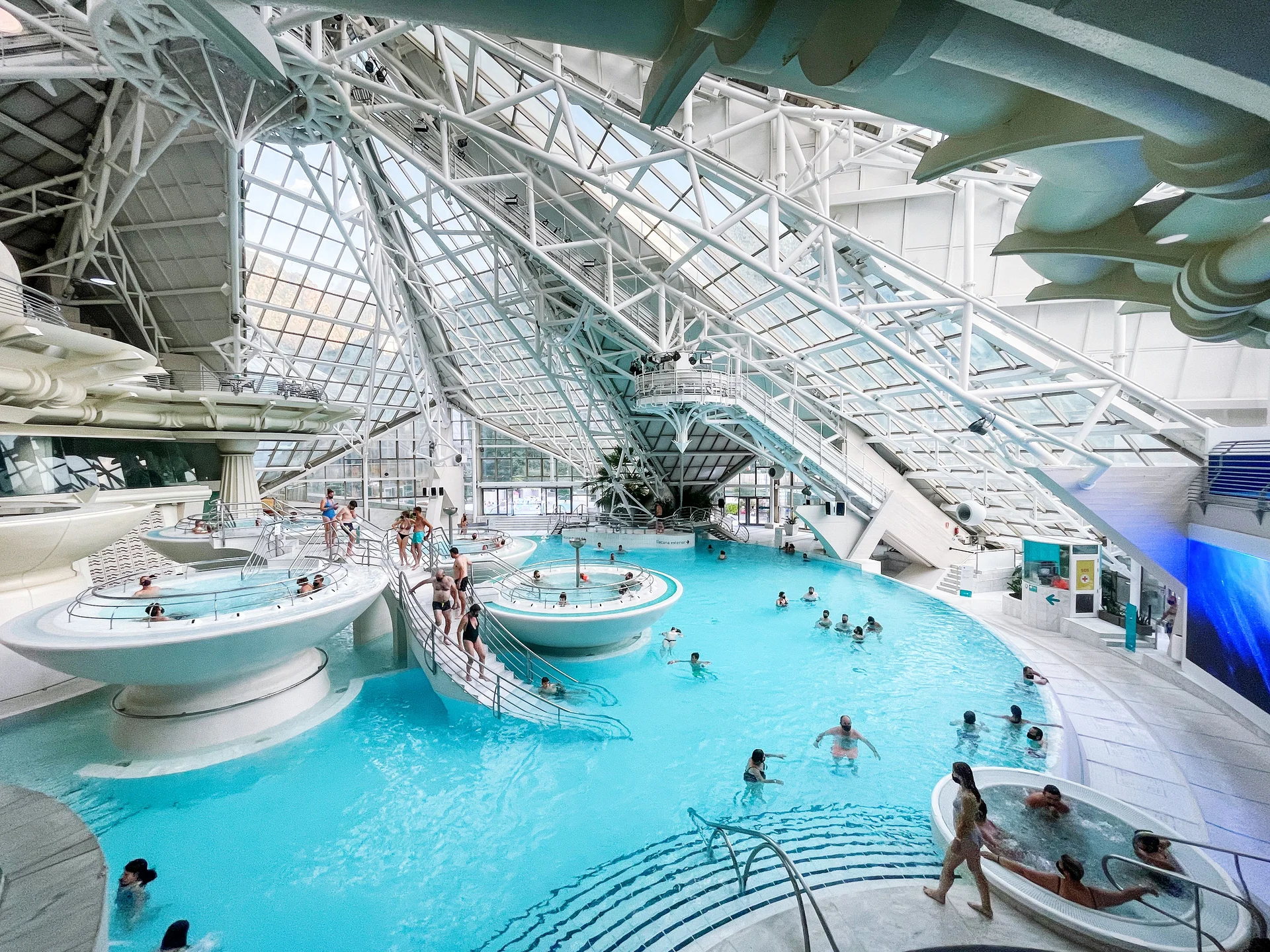
After a long hike or an afternoon of retail browsing, unwinding comes easy. The Caldea thermal center, standing as one of Europe's largest thermal spa facilities, is built for recovery. Located in Escaldes-Engordany, it features indoor and outdoor lagoon pools, jacuzzis, and wellness treatments set inside a striking glass pyramid structure. The main thermal lagoon looks out over the surrounding peaks, and the mineral-rich waters work wonders on sore muscles.
Andorran Cuisine: Pyrenean Comfort Food

Local gastronomy draws heavily on rustic French and Catalan traditions, prioritizing seasonal mountain ingredients. Inside the bordas, which are traditional stone barns converted into neighborhood dining rooms, you can order hearty regional staples like trinxat (a pan-fried potato, cabbage, and bacon cake) or escudella (a heavy meat and vegetable stew). Whether you want heavy comfort food or simple hearth-cooked dishes, the local food scene delivers honest flavors.
When to go
The right time to visit depends entirely on your preferred activities. Summer runs from June to September, bringing mild weather ideal for high-altitude hiking and exploring the valleys. Winter sports enthusiasts target the ski window from December to March, when the slopes across Grandvalira, Pal Arinsal, and Ordino Arcalís see steady snow cover.
How to get there
Andorra does not have its own commercial airport or train station. Travelers from North America fly into Barcelona or Toulouse, then catch a direct coach from Toulouse (a four-hour drive, around $45* each way) or Barcelona (three hours, around $34*) straight to Andorra la Vella. If you drive yourself, well-maintained mountain highways cross the Pyrenees and provide straightforward access to the principality.