
Visiting Abu Dhabi
With a population nearing 1.5 million that doubled between 2005 and 2015, Abu Dhabi serves as the capital of the emirate of the same name, the largest of the United Arab Emirates. Its name translates to father of the gazelle in Arabic, a nod to the legend that the animal led the first settlers to discover the region. Officially founded in 1771 by the Bani Yas Bedouin tribe, the city remained a small village for centuries before its growth became inextricably linked to the oil industry. Originally situated on an island, Abu Dhabi has expanded rapidly, now connected to the mainland by three bridges, and it continues to push further into the nearby Rub al-Khali desert and out onto the sea itself.
Discovering Emirati culture in Abu Dhabi
Abu Dhabi balances architectural feats with the preservation of its local heritage and traditional crafts. You can take in the city skyline from the Etihad Towers, which feature an observation deck perched 300 meters (984 feet) high. For a different experience, wander through the capital's various souks.
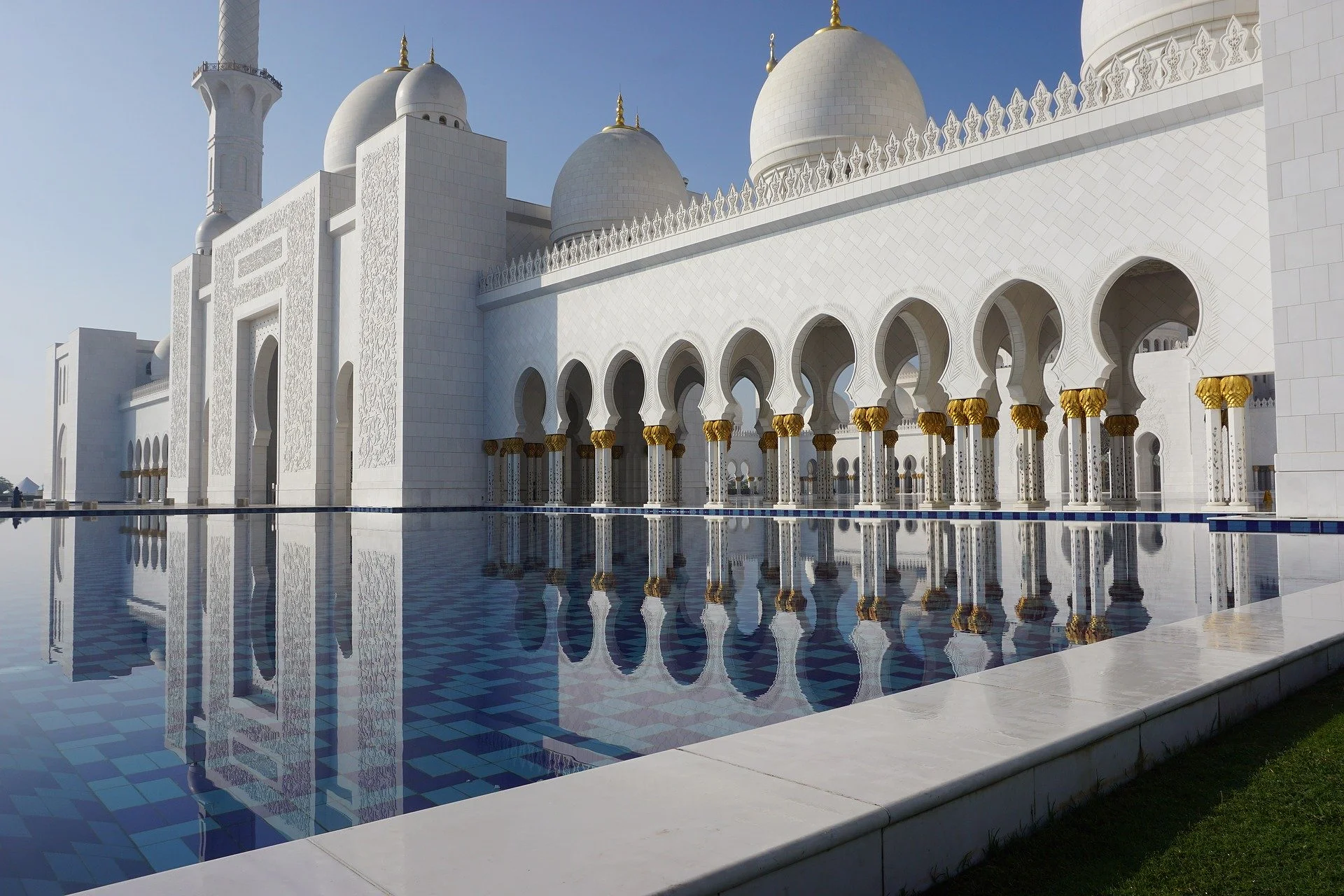
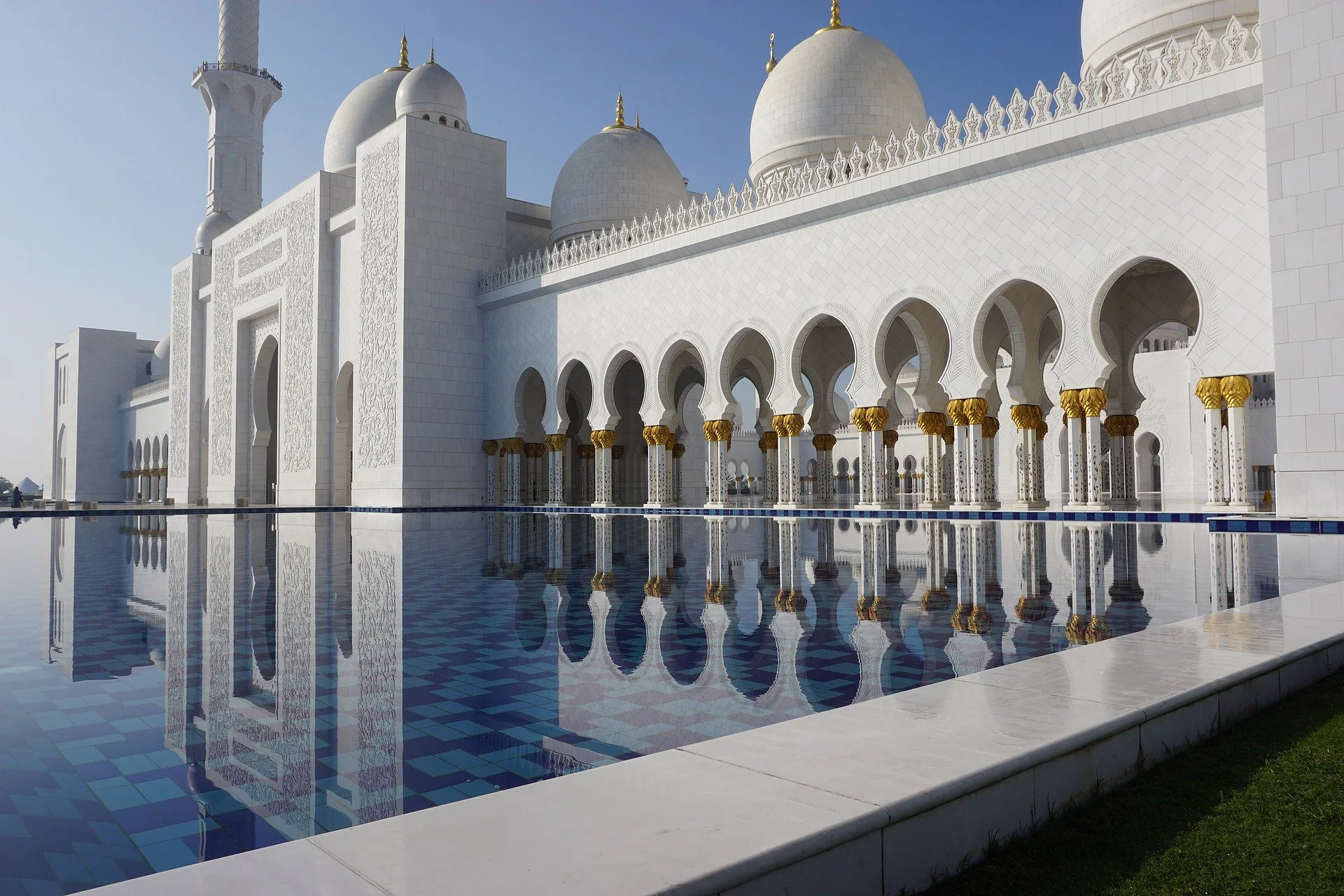
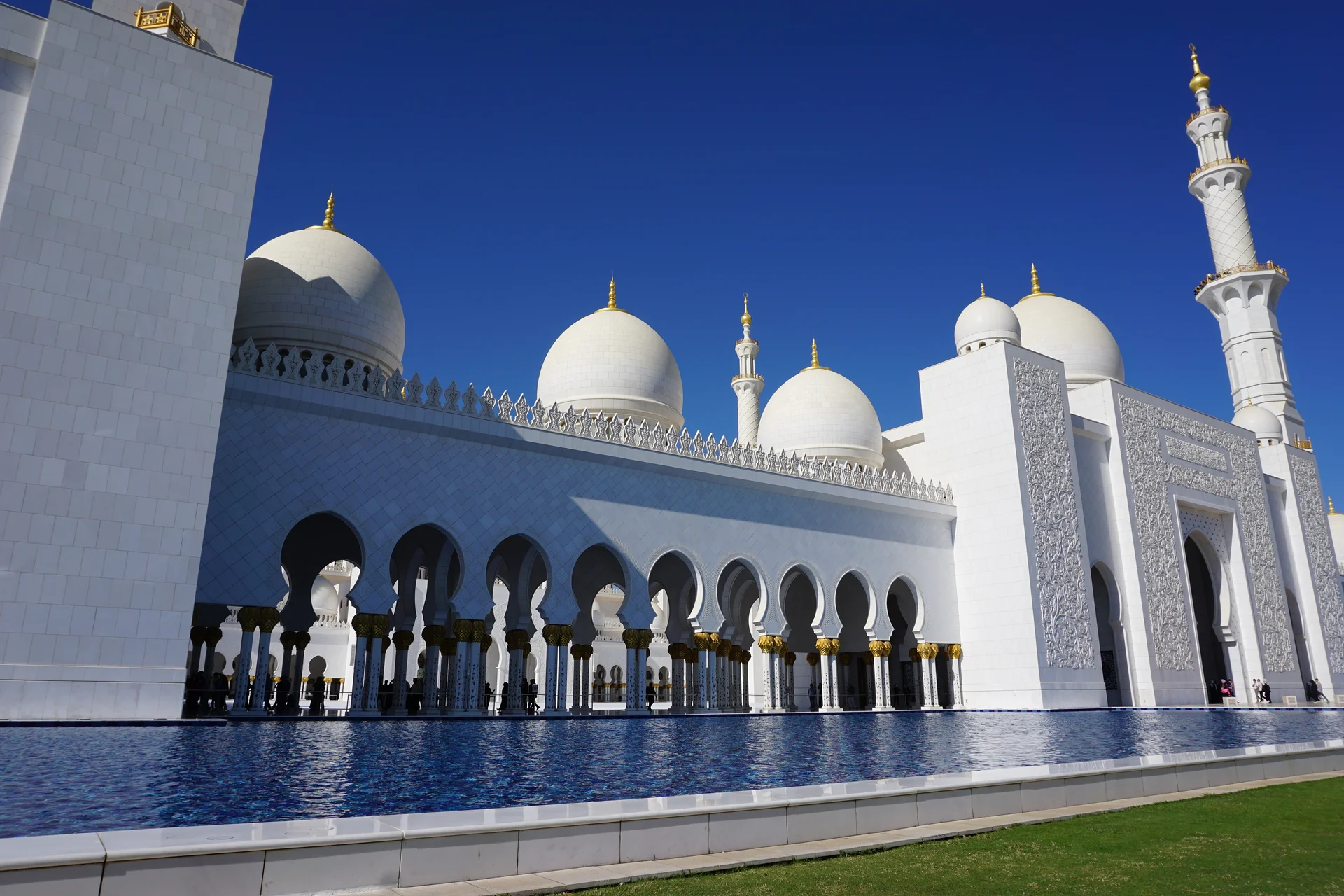
Most of the monuments here are modern, yet they incorporate architectural techniques native to the Middle East. Do not miss the Sheikh Zayed Grand Mosque, inaugurated in 2007. It can accommodate up to 40,000 worshippers, and its prayer hall houses the largest hand-woven Persian carpet in the world. A section of the Qasr al-Watan presidential palace has been open to the public since 2019, showcasing a level of facade detail and interior decor that feels like a scene from the Arabian Nights.
For a look at the city's roots, visit the House of Artisans at Qasr Al-Hosn. This is the former palace of the royal family and the oldest building in the city, dating back to 1790. Part of the site is dedicated to the production of traditional Bedouin crafts.
The premier destination of the United Arab Emirates
Beyond its reputation for luxury and leisure infrastructure, Abu Dhabi stands out for the quality of its cultural offerings. Over the past decade, the city has developed a Cultural District on Saadiyat Island. In 2017, the Louvre Abu Dhabi, designed by architect Jean Nouvel, opened its doors there, presenting the history of humanity across twelve chapters. The district is also slated to eventually host the Guggenheim Abu Dhabi and the Zayed National Museum, which focuses on the history of the Emirates.
Abu Dhabi is also well suited for those looking to relax. Walk the Corniche, a waterfront promenade that runs along the coast and offers views of the skyline. Not far away, you will find the opulent Emirates Palace, which is open to visitors and rivals the Burj Al Arab in Dubai for sheer grandeur.
When to go
Fall and spring are the best times to visit Abu Dhabi. Be cautious during the summer months, when temperatures easily hit 50°C (122°F).
How to get there
Numerous airlines provide service from major international hubs. Once you arrive, the local taxi network remains the most convenient way to get around.

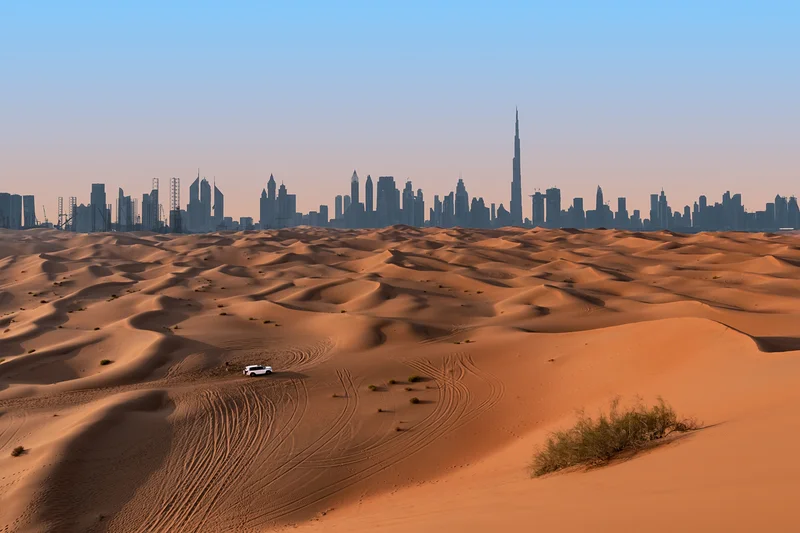
Visited during a day trip while I was staying in Dubai, I found this city interesting and different. The capital of the United Arab Emirates is more spacious, less dense, and greener than its neighbor Dubai.
The first big difference is that there are not cranes on every street corner. Our guide explained that this emirate is focusing on culture to get noticed. They have developed an island to host major museums, some of which were designed in partnership with the biggest museums on the planet, like the Louvre and soon the Guggenheim.
We visited the Sheikh Zayed Grand Mosque, which is very beautiful, and a small park called heritage that gives an idea of how farmers used to live, with goats, a cow, and a vegetable garden. There is a small free museum showing old objects and weaponry. There is also a small beach with a nice view of the city.