The Maldives at a Glance
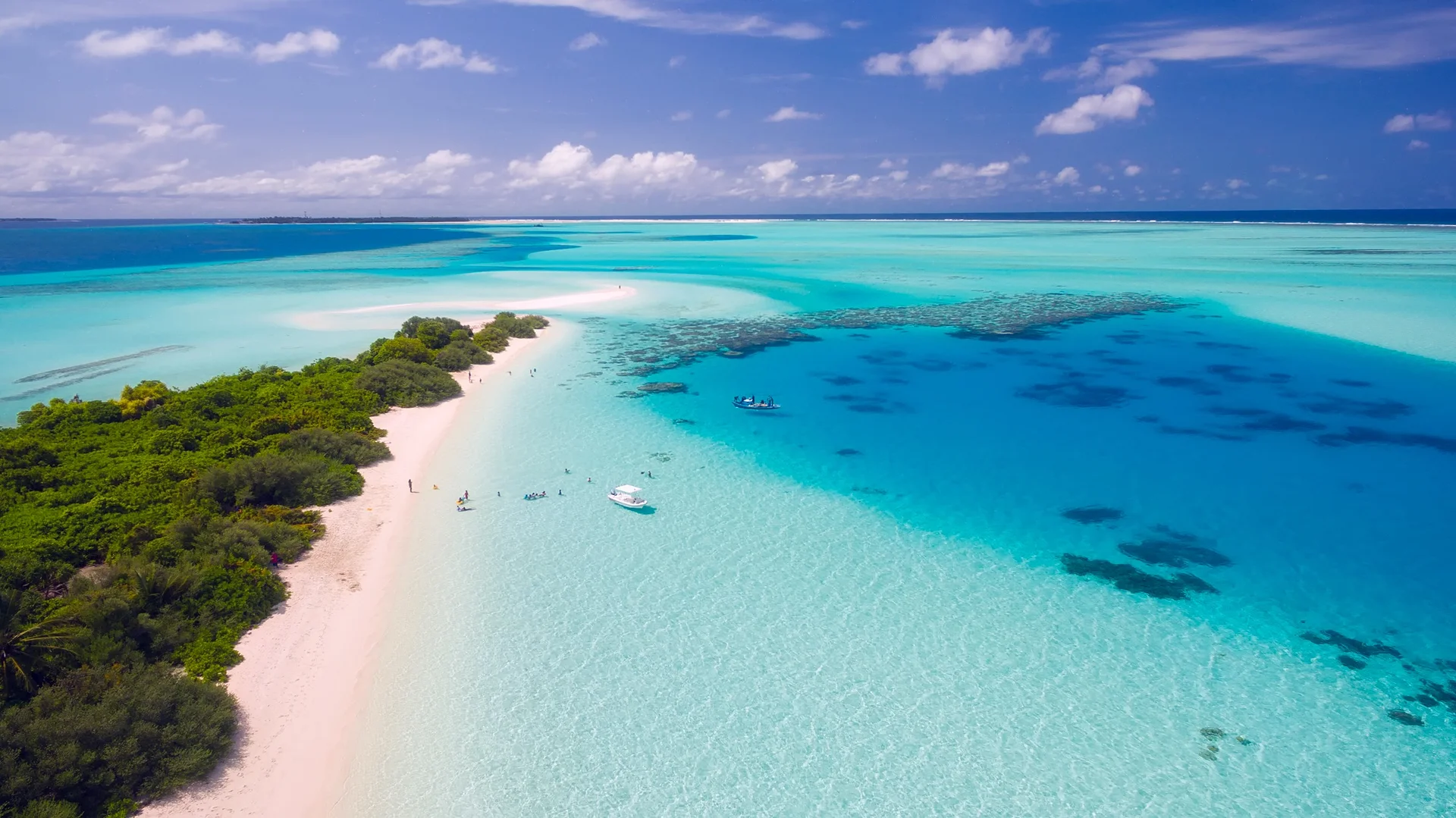
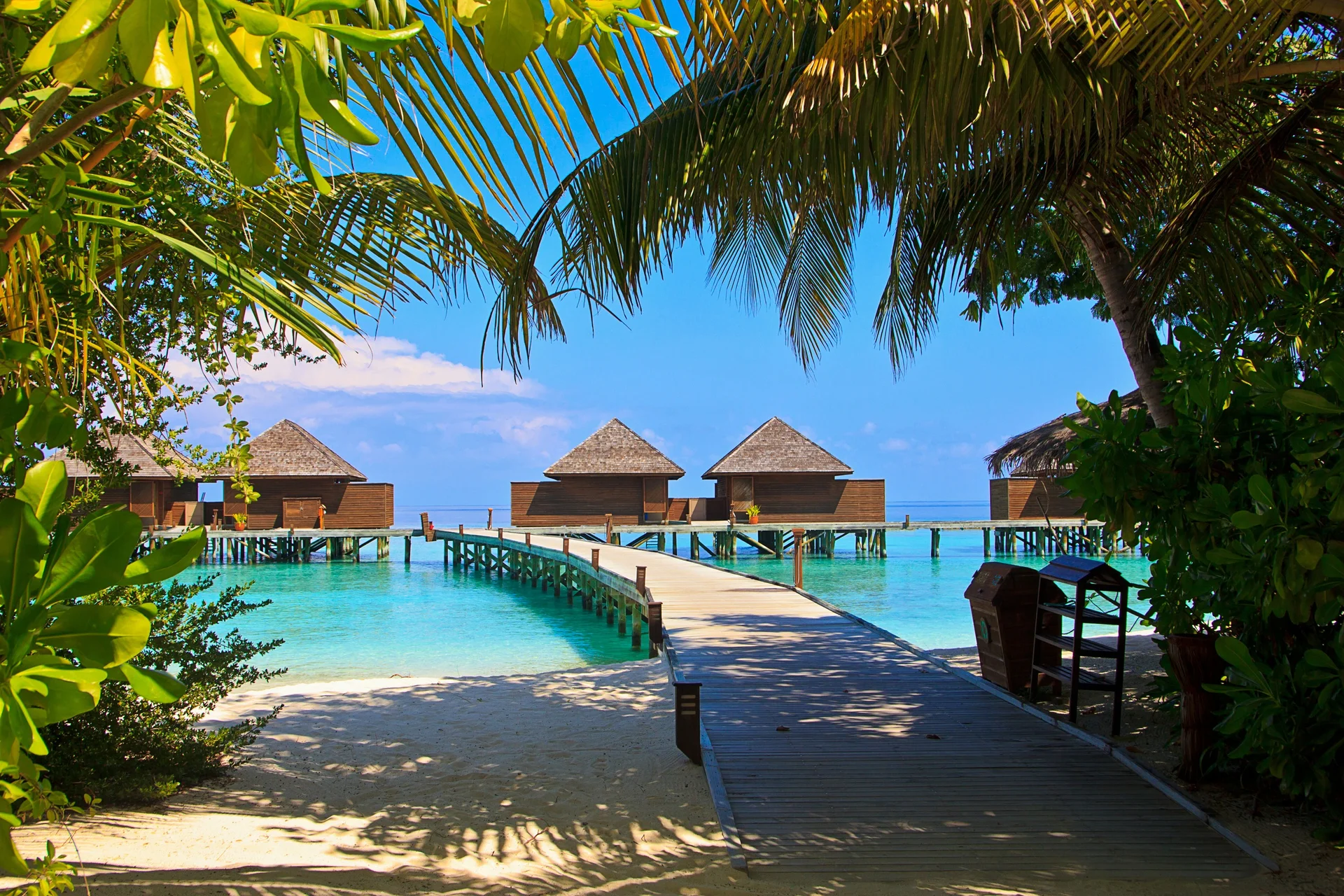
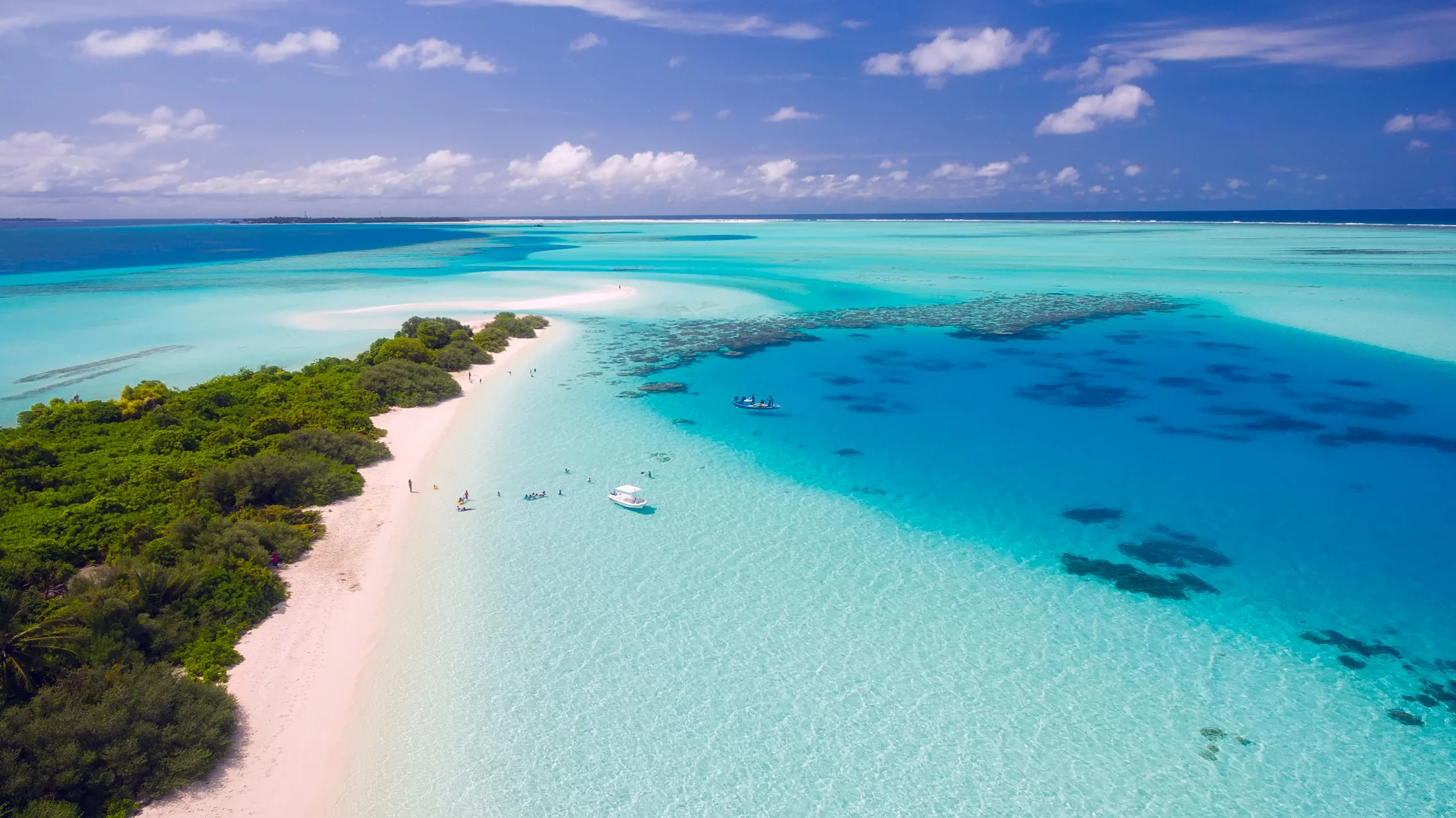
Few places on Earth actually live up to the hype. The Maldives does. Powder-white sand, water so clear you can see the reef from the surface, and an underwater ecosystem that rivals anything in the Indo-Pacific. It earns the reputation.
One of the Best Places on the Planet to Dive
Water is the whole point here. You can fill your days with deep-sea fishing, kayaking, windsurfing, or sunset cruises, but the real draw is what's below the surface. The Maldives is a genuinely great place to get your first scuba certification, and snorkelers do just as well. The water stays warm year-round, and even a short swim puts you face-to-face with thousands of fish weaving through coral in every color imaginable. Sea turtles and manta rays are common sightings, not lucky ones. For the best coral colors in the entire archipelago, head to Addu Atoll, especially around Gan Island. Thrill-seekers can drop to about 100 feet at Hammerhead Point in Rasdhoo Atoll to watch hammerhead sharks patrol the deep. Out in Ari Atoll, whale sharks show up regularly. They run about 30 feet long and are completely harmless to humans, think of them as the gentle giants of the ocean. After all that, ask your resort to drop you off for the day on one of the archipelago's hundreds of uninhabited islands via a traditional wooden dhoni boat. You will feel like the only person on Earth.
Getting a Real Look at Maldivian Life in Malé
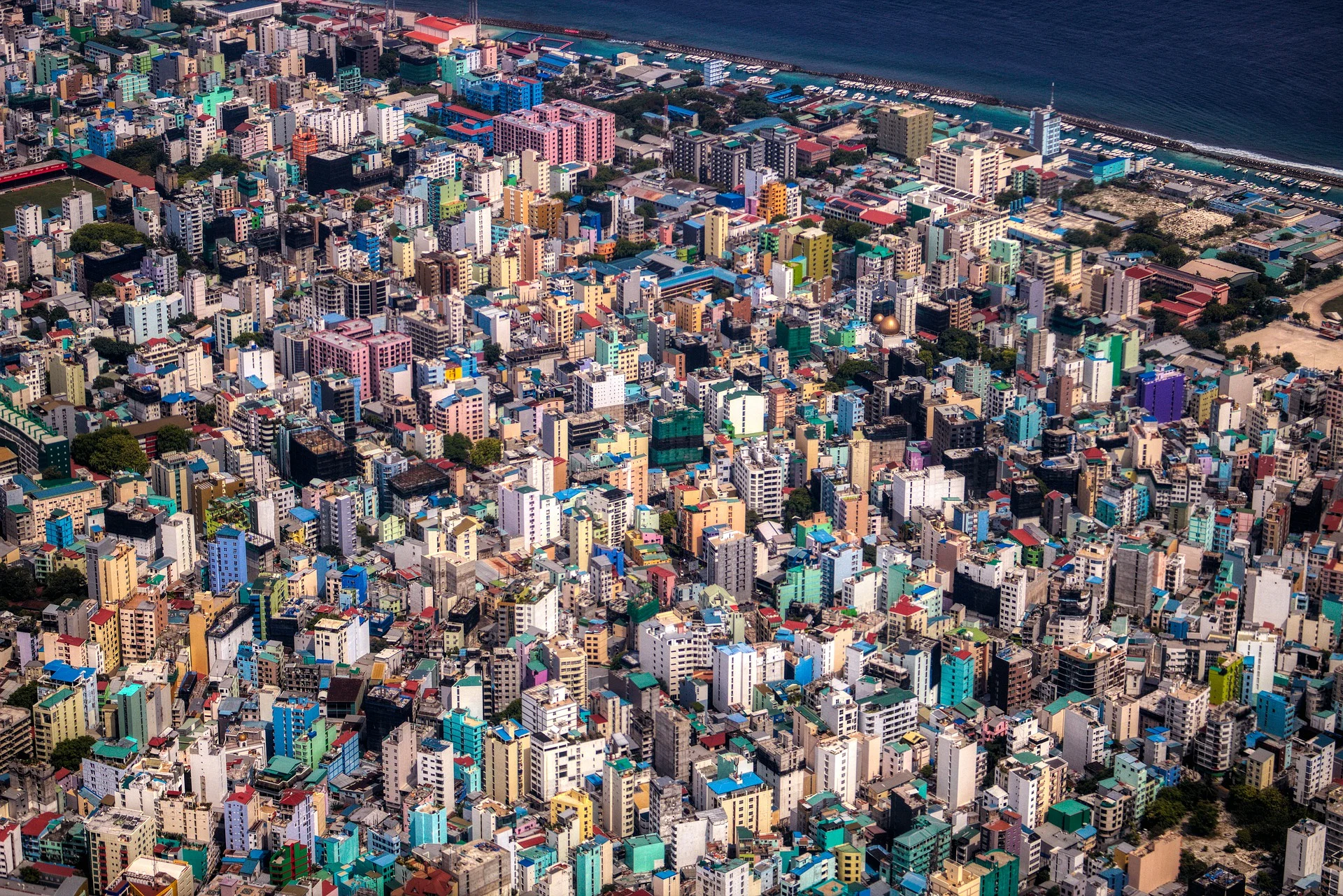
The Maldives is made up of 1,199 islands, but only 202 are inhabited. Most visitors stay at resorts that occupy their own private island, which is a legitimate way to experience the country. Since 2009, though, the government has allowed foreigners to stay in local communities, and that opens up something most tourists miss entirely. Malé, the capital island, is where the real Maldivian culture lives. Wander the packed markets, grab a short eat (a local savory snack) at a waterfront stall, and you'll get a side of this country that has nothing to do with infinity pools. For island-hopping, a seaplane is the way to go. The aerial view of the atolls and coral formations from above is one of those images that sticks with you. Landing on open water is its own experience.
When to Go
The good news: the Maldives works year-round. Peak season runs December through February, when you'll get near-perfect conditions but pay peak prices to match. Through April, the weather stays excellent. The rest of the year brings the same comfortable temperatures (around 82°F on average) with a higher chance of afternoon rain showers. Shoulder season can be a smart play if your schedule is flexible.
Getting There
All international flights land at Velana International Airport in Malé. From the US, you're looking at roughly 20 to 22 hours of total travel time with at least one connection, typically through a Middle Eastern or Asian hub. Round-trip fares from major US cities generally run $1,200 to $1,800 depending on the season and routing. Once you're in Malé, you can reach the other islands by speedboat or seaplane, with seaplanes being the faster and more scenic option for more distant atolls.