Cameroon: Where Central and West Africa Meet
Cameroon gets called "Africa in miniature" for good reason. In a single country, you get dense rainforest, dry savanna, Atlantic beaches, and a dormant volcano tall enough to make serious hikers sweat. Add over 250 ethnic groups and a food scene that changes completely depending on which region you're in, and you have one of the most geographically and culturally varied destinations on the continent.
The Landscape

The geography here covers an enormous range. The south is thick equatorial rainforest. The north opens into semi-arid savanna closer to the Sahel. In between, you get highlands, rivers, and a coastline that punches well above its weight. Mount Cameroon, an active volcano and the highest point in West Africa at 4,095 meters (13,435 feet), draws hikers looking for a serious summit with panoramic views stretching to the ocean. It's a multi-day climb and genuinely demanding.
Up north, Waza National Park is the go-to for wildlife. Elephants, giraffes, lions, and a solid cast of other animals make this one of Central Africa's better safari destinations. In the south, the Dja Reserve, a UNESCO World Heritage Site, is a massive tract of intact rainforest sheltering rare primates and an extraordinary range of plant life.

A Cultural Crossroads
With more than 250 ethnic groups sharing one country, Cameroon's cultural landscape is genuinely complex. That diversity shows up in languages, traditions, music, dress, and food. Local markets are a good entry point: the mix of sounds, colors, and smells gives you a quick read on just how varied daily life is across regions.

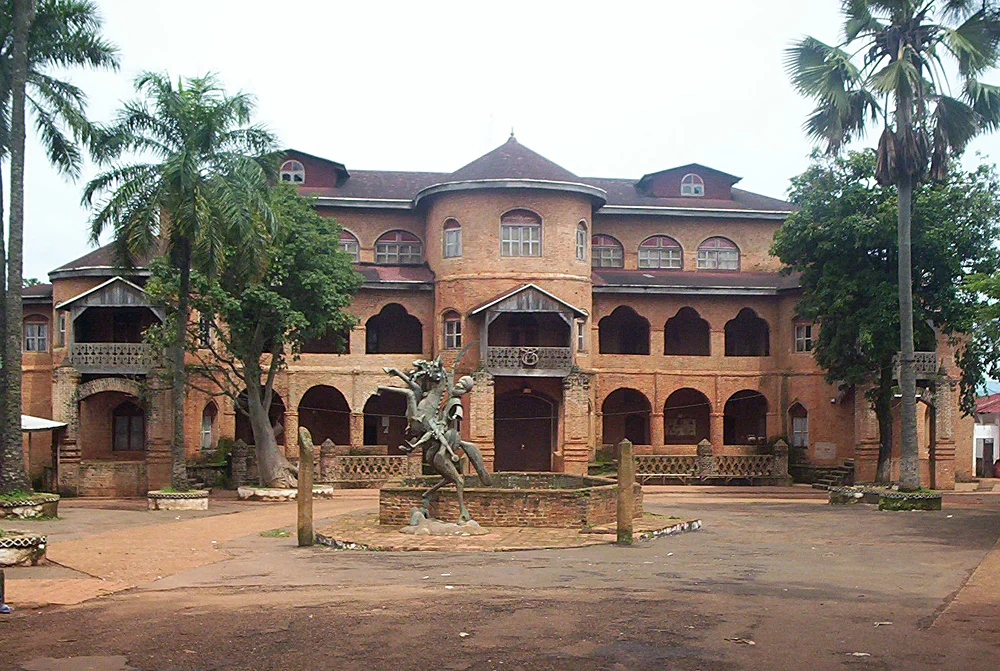
If your timing lines up, the Ngondo festival in Douala is worth planning around. Celebrated annually by the Sawa, a coastal people, it's a spiritual event honoring ancestors through ritual ceremonies and traditional dances along the banks of the Wouri River. Further inland, the town of Foumban in the western highlands is the cultural center of the Bamoun people, with royal palaces, a dedicated museum, and artisans whose work reflects centuries of distinct artistic tradition.
The Coast

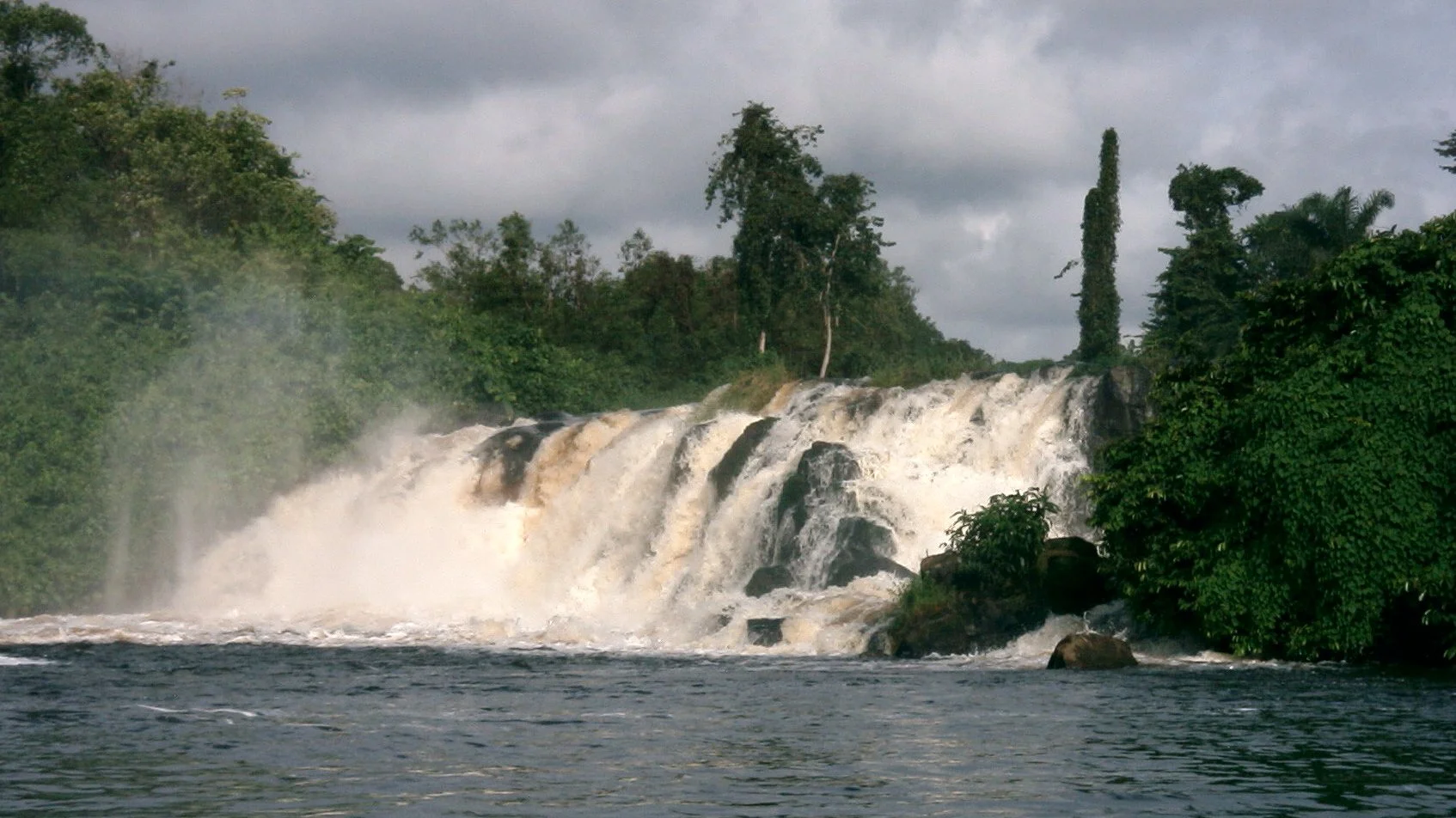
The beaches at Kribi, in the south, are the kind of place where you actually stay longer than planned. Fine sand, clear turquoise water, and a pace that encourages doing very little. Just a few kilometers from town, the Lobé Falls drop directly into the ocean, one of the rare places in the world where a waterfall meets the sea. It's worth the short trip.

Further up the coast, Limbe sits in the shadow of Mount Cameroon and has a different feel entirely. The beaches here are black volcanic sand, dramatic rather than postcard-pretty, and the town makes a solid base for day trips into Korup National Park, one of the oldest rainforests in Africa. The fishing villages along this stretch of coast are low-key and welcoming, and fresh seafood is everywhere.
The Food

Cameroonian cooking reflects the country's ethnic diversity in the most direct way possible. The national dish is ndolé, a stew made from bitter leaves, ground peanuts, and either fish or meat. It's earthy, rich, and nothing like anything you've had before. In Douala, look for braisé fish, grilled and served with cassava sticks and a spiced sauce. Up north, the food shifts toward Sahelian staples: millet, rice, and lamb-based dishes. Local markets throughout the country are the best place to try tropical fruits and regional specialties you won't find on any restaurant menu back home.
Best Time to Go
Plan your trip between November and February, during the dry season. Rainfall drops significantly, roads are easier to navigate, and conditions for safaris, hikes, and beach time are all at their best. It's also the most comfortable period temperature-wise across most of the country.
Getting There
There are no nonstop flights from the US to Cameroon. You'll connect through a European hub (Paris, Brussels, or similar) or an African hub before landing in Douala or Yaoundé, the country's two main cities. Round-trip fares from the US typically run anywhere from around 900 to 1,800 XAF-equivalent priced tickets, but realistically budget $1,200 to $2,000 USD depending on your departure city and how far in advance you book.