Russia at a Glance
The largest country on Earth, Russia spans eleven time zones and packs in an extraordinary range of landscapes and history. This is the land of the tsars and the Soviets, of the Bolshoi Ballet and matryoshka dolls. Moscow and Saint Petersburg are the obvious starting points, but the Golden Ring cities, the Caucasus, Lake Baikal, and the Trans-Siberian Railway all make a serious case for more time. For anyone drawn to raw wilderness and ethnographic depth, Russia delivers on a scale few countries can match.
The climate is mostly continental: winters are brutal, summers can be surprisingly hot, and the shoulder seasons are short. Plan accordingly.
Moscow (Moskva): Europe's Largest City
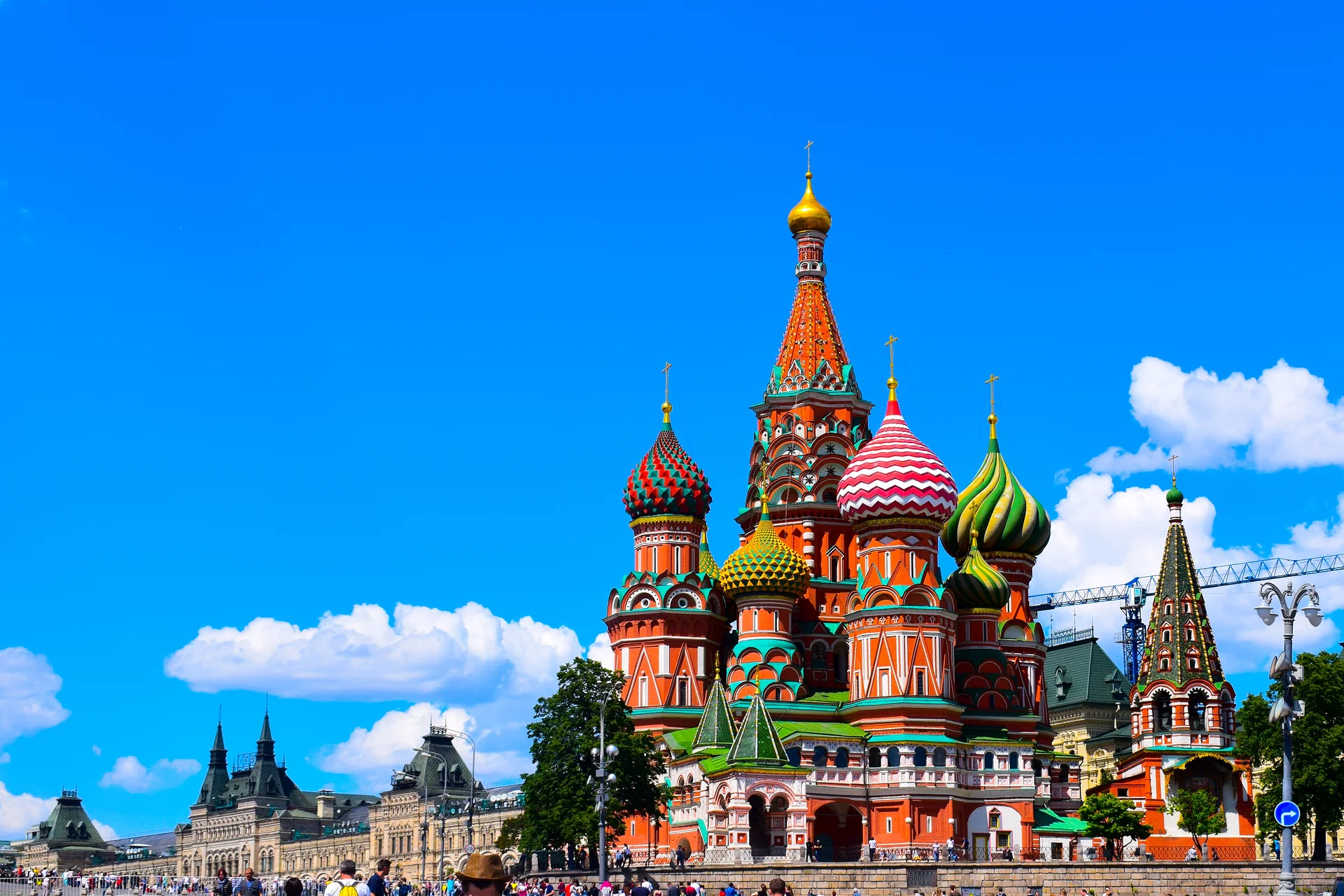
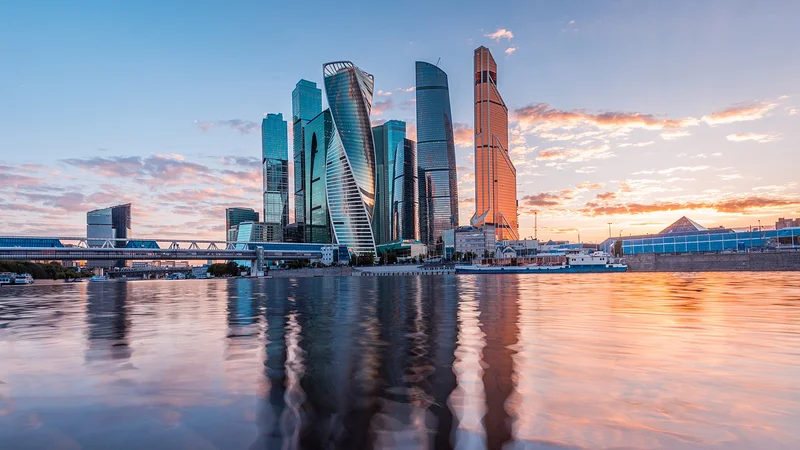
Forget the Cold War clichés. Moscow has spent the past two decades renovating aggressively, and the result is a city that feels genuinely alive. Start at Krasnaya Ploshchad, better known as Red Square (though the name actually means "beautiful square" in old Russian). Here you'll find the Kremlin and its Grand Palace, Lenin's Mausoleum, the deep-red brick State Historical Museum, and the candy-colored Cathedral of Saint Basil the Blessed (Khram Vasiliya Blazhennogo), the city's most recognizable landmark. Also on the square: the famous GUM department store. Inside the Kremlin complex, look for the Cathedral of the Dormition and the Cathedral of the Annunciation, a white church with golden onion domes that houses one of the finest icon collections in the country.
The Bolshoi Theatre is worth attending if you can get tickets. For art, the Tretyakov Gallery covers Russian masters, while Winzavod handles contemporary work. Gorky Park is a genuinely pleasant place to decompress, and if you have a free afternoon, the Izmailovo Market blends flea market, craft stalls, and a relaxed outdoor atmosphere in a way that's hard to replicate elsewhere. To round out the Moscow experience, try a traditional banya (Russian steam bath). The Sanduny Baths are the most storied in the city.
The Golden Ring: Seven Medieval Cities East of Moscow
Spread out between 45 and 185 miles east of Moscow, the seven river towns of the Golden Ring are where you go to see kremlin fortresses, monasteries, and onion-domed churches in concentrated form. Yaroslavl, about four hours by train from Moscow, sits on the Volga and was once a major trading hub. Its downtown core holds around ten churches competing for your attention, two monasteries, and a collection of towers, bell towers, and convents. The interiors, covered in frescoes and painted tiles, are just as impressive as the exteriors.
Pereslavl-Zalessky, about two and a half hours by car from Moscow, was founded in the 10th century in a gently rolling landscape around a lake locals call the "lapping lake." The view of the Nikitsky Monastery is striking, with unexpected Eastern influences in the architecture. The Goritsky Dormition Monastery looks like something out of a fairy tale.
Sergiev Posad, literally "Sergius's suburb," is one of the most important Orthodox pilgrimage sites in Russia. Its Trinity Cathedral, white with star-patterned blue domes, draws crowds of pilgrims who come to venerate the relics of Saint Sergius. Attending a service here gives you a real sense of how central the Orthodox faith remains in Russian life.
Other options in the Golden Ring: Ivanovo, Suzdal, and Vladimir.
Saint Petersburg: Russia's Cultural Capital
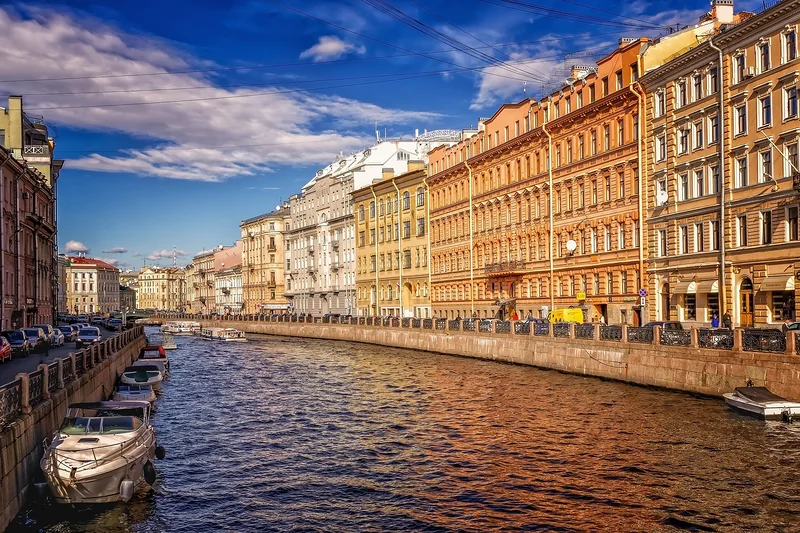
Peter the Great built Saint Petersburg from scratch to give Russia a foothold on Europe, and the city has never stopped looking westward. It's the most visited city in the country, and the Hermitage Museum alone justifies the trip. With roughly a thousand rooms and collections that span everything from ancient antiquities to Impressionist painting, it's one of the great art museums on the planet, on par with the Louvre or the Met for sheer scale. Plan a full day, minimum.
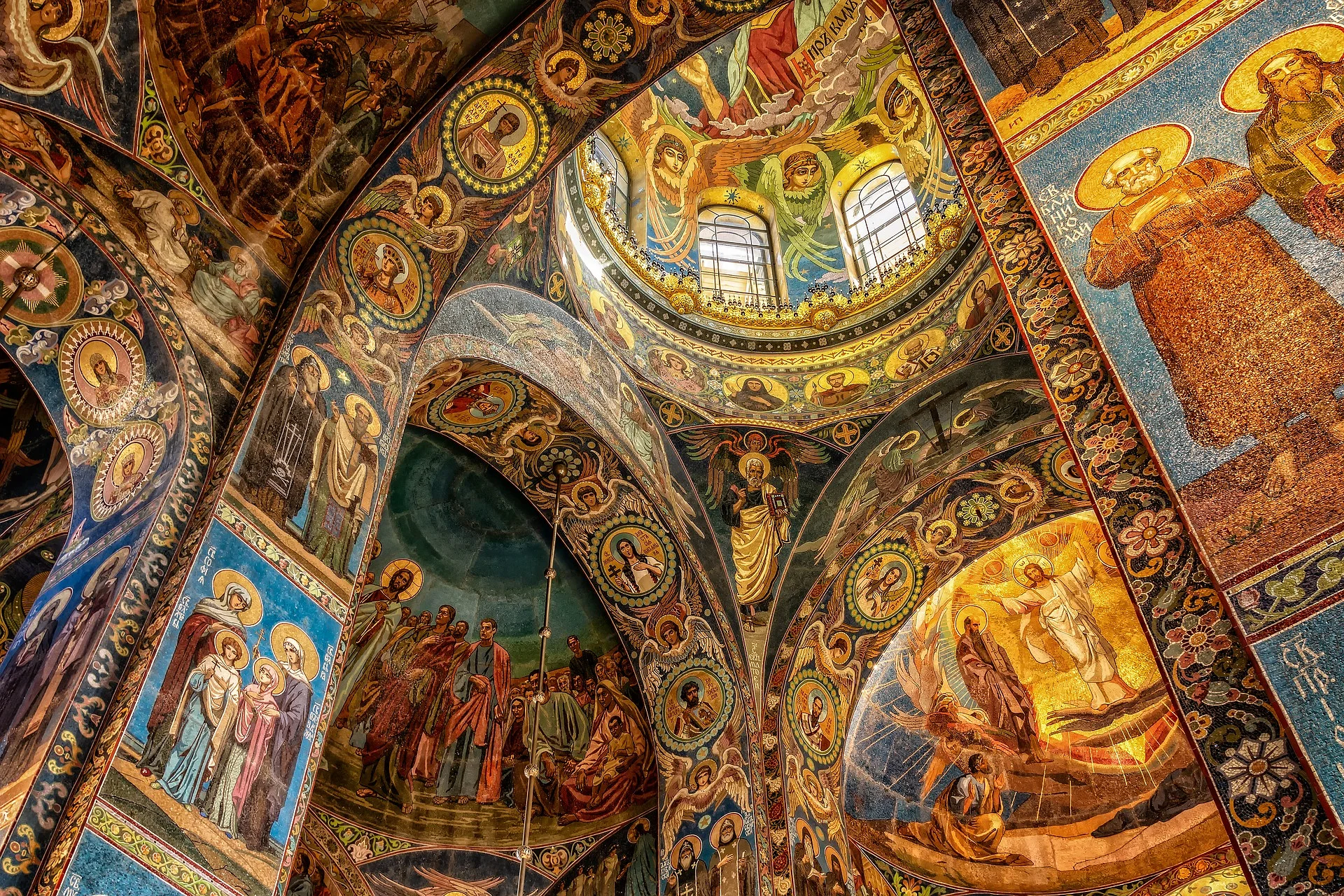
Beyond the Hermitage, start on Nevsky Prospekt, the main commercial boulevard, then work your way up toward the Golden Triangle neighborhood. Don't skip the Kazan Cathedral, modeled loosely on St. Peter's Basilica in Rome, or the colorful Church of the Savior on Spilled Blood, the city's most photographed landmark. From there, head to Petrogradskaya, the historic island district where you'll find the Peter and Paul Fortress and its magnificent cathedral of the same name.
About 19 miles outside the city, Peterhof is Russia's answer to Versailles, an 18th-century palace complex with elaborate fountains and formal gardens. It's worth the short trip.
Karelia and the White Sea: Wilderness at the Finnish Border
The Republic of Karelia, stretching from Lake Ladoga up toward the Arctic Circle, is a landscape of some 600,000 lakes and dense boreal forest. Think northern Minnesota scaled up by a factor of ten. Vologda, whose name translates roughly as "clear waters," makes a good base for this region. Its UNESCO-listed Kremlin holds a cluster of churches, chapels, and cathedrals with well-preserved frescoes inside.
Around the winter and spring equinoxes, the Kola Peninsula and its fjord offer reliable northern lights viewing. Also worth the detour: Kizhi Island on Lake Onega, home to the country's largest wooden church, the 121-foot-tall Church of the Transfiguration.
The Black Sea Coast and the Caucasus
Once used as a place of exile, the Caucasus region and the Black Sea coast have long since become Russia's favorite vacation destination. Sochi, which most Americans know from the 2014 Winter Olympics, offers a mix of beach resorts, mountain scenery, and outdoor activities. It's a legitimate all-seasons destination, whether you're after sun on the beach or skiing in the mountains above the city.
The Urals: Ekaterinburg and the Romanov Legacy
In Ekaterinburg, the main city of the Ural region, two sites stand out. The Cathedral on the Blood was built on the site where Tsar Nicholas II and his family were executed in 1918. A few miles outside town, Ganina Yama is a monastery constructed at the location where the Romanovs' remains were disposed of. Both are somber, historically significant places.
Irkutsk and Lake Baikal: Siberia's Unexpected Highlight
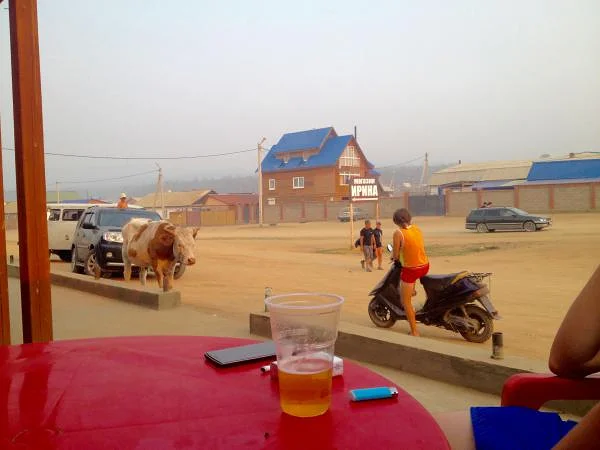
Irkutsk is sometimes called the "Paris of Siberia," a nickname that oversells the comparison but points at something real: this is a city with genuine character. Old log houses trimmed with elaborate carved wooden lacework line the streets, and the whole place sits on a wooded hill in a way that feels more like a 19th-century frontier town than a Soviet city. Climb up to the Church of the Savior for a view over the city, then visit the Znamensky Monastery. In summer, outdoor concerts run along the Gagarin Embankment.
Just outside Irkutsk, Lake Baikal is the world's largest freshwater reservoir by volume, holding about 20 percent of the planet's unfrozen surface fresh water. It's roughly 400 miles long, fed by glaciers, and the water is clear enough to see dozens of feet down. There's nothing quite like it.
When to Go
Russia is a year-round destination, but the timing depends on what you're after. For Moscow and Saint Petersburg, spring and early summer are ideal. June is peak season, when the famous "White Nights" keep the sky bright until nearly midnight. If snow is the draw, February and March offer the best conditions: fresh snowfall, frozen rivers, and a stillness that's genuinely striking.
Getting There
From the US, most routes to Moscow and Saint Petersburg involve a connection in a European hub. Lufthansa connects through Frankfurt, LOT Polish Airlines through Warsaw, and SAS through Copenhagen. Check current routing options carefully, as airline schedules and route availability for Russia have shifted in recent years. Verify visa requirements well in advance of your trip, as US passport holders need a Russian visa and the application process requires planning ahead.
Getting Around
Domestic flights in Russia are generally cheaper than comparable routes in Western Europe and cover the country well. The main carriers include Aurora, Pobeda (Aeroflot's budget subsidiary), S7 Airlines, Ural Airlines, and Yakutia Airlines. For the western part of the country, the Sapsan high-speed train is a solid alternative: Moscow to Saint Petersburg takes about five hours. One important heads-up: all train schedules in Russia run on Moscow time, regardless of where the train actually is. If you're traveling across time zones, the time printed on your ticket may not match local time at your departure station. Double-check before you board.